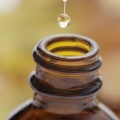
Essential oils have gained immense popularity in recent years, celebrated for their aromatic properties and potential health benefits. Extracted from various parts of plants, including leaves, flowers, stems, and roots, these concentrated liquids capture the essence of their source. The unique properties of essential oils make them versatile for a range of applications, from aromatherapy and massage to natural cleaning solutions and personal care products. However, while they offer numerous advantages, it is essential to understand their interaction with different materials, particularly fabrics.One of the most intriguing aspects of essential oils is their chemical composition.
Each oil contains a complex mixture of volatile compounds that contribute to its distinctive scent and therapeutic properties. For instance, oils like lavender and tea tree are renowned for their calming and antiseptic qualities, respectively. However, this potency also means that essential oils can have unintended consequences when they come into contact with fabrics. Their oily nature allows them to penetrate fibers quickly, which can lead to staining if not handled properly.When using essential oils in your home or personal care routines, it is crucial to consider how they might affect your clothing and other surfaces.
While some oils are less likely to leave a mark than others, the risk of staining remains a valid concern. Understanding the relationship between essential oils and fabrics can help you make informed decisions about their use. This knowledge is particularly important for those who enjoy incorporating these natural extracts into their daily lives but want to avoid the hassle of dealing with stubborn stains.In the following sections, we will delve deeper into the potential for essential oils to stain various types of fabrics and surfaces. We will also explore effective methods for removing these stains should they occur, ensuring that you can enjoy the benefits of essential oils without compromising your favorite garments or furnishings.
Can Essential Oils Stain Fabric?
Essential oils, while celebrated for their aromatic and therapeutic properties, can indeed pose a challenge when it comes to staining fabrics.Understanding the composition of these oils is crucial in grasping how they interact with various materials.Essential oils are concentrated plant extracts that contain volatile compounds. These compounds are responsible for the distinct scents and potential health benefits associated with each oil. However, their oily nature means they can easily penetrate fabric fibers, leading to potential stains. Unlike carrier oils, which are heavier and more viscous, essential oils are lighter and can evaporate quickly, but they still leave behind residues that can discolor fabrics.When essential oils come into contact with fabrics, several factors influence whether a stain will occur:
- Fabric Type: Natural fibers such as cotton, linen, and wool tend to absorb essential oils more readily than synthetic fibers like polyester or nylon.
This absorption can lead to more noticeable stains on natural fabrics.
- Oil Concentration: The purity and concentration of the essential oil play a significant role. Undiluted oils are more likely to cause staining compared to diluted versions. For instance, a few drops of pure lavender oil may leave a mark on a cotton shirt, while a diluted mixture may not.
- Time of Contact: The longer the oil remains on the fabric without treatment, the deeper it can penetrate the fibers, making it harder to remove.
- Color of the Oil: Some essential oils, particularly those derived from darker plants (like patchouli or clary sage), have a higher likelihood of leaving visible stains due to their pigmentation.
If an accidental spill occurs, acting quickly can significantly reduce the chances of a permanent stain.In summary, while essential oils can stain fabrics under certain conditions, understanding their properties and how they interact with different materials can help you manage and prevent these stains effectively.
Types of Fabrics Most Affected by Essential Oils
When it comes to using essential oils, understanding the types of fabrics that are most susceptible to staining is crucial. Different materials react uniquely to oils, and knowing which fabrics to be cautious with can save you from unsightly stains and potential damage.1.Natural Fibers
- Cotton: This widely used fabric is highly absorbent, making it particularly vulnerable to essential oil stains. When essential oils come into contact with cotton, they can penetrate the fibers quickly, leading to noticeable discoloration.
- Linen: Similar to cotton, linen is another natural fiber that absorbs oils readily. While it has a beautiful texture and breathability, it can easily show stains from essential oils if not treated promptly.
- Wool: Wool fibers can also absorb essential oils, but they may react differently due to their unique structure.
Stains on wool can be more challenging to remove, as the fibers may hold onto the oil more tightly.
2.Synthetic Fabrics
- Polyester: This common synthetic fabric is less absorbent than natural fibers, but it can still stain if essential oils are applied directly without dilution. The stain may not be as visible initially, but over time it can become more pronounced.
- Nylon: Like polyester, nylon is resistant to staining but not immune. Essential oils can leave marks on nylon if they are not cleaned up quickly.
- Acrylic: Acrylic fabrics can also be affected by essential oils. While they are durable and often used in outdoor clothing, they can still show oil stains if exposed.
3.Blended Fabrics
- Cotton-Polyester Blends: These blends combine the absorbency of cotton with the durability of polyester.
While they may resist staining better than pure cotton, they are still at risk if essential oils are used carelessly.
- Linen-Cotton Blends: Similar to cotton-polyester blends, these fabrics offer a balance of breathability and strength but can still absorb essential oils.
How to Remove Essential Oil Stains from Clothes
Removing essential oil stains from clothing can be a straightforward process if you act quickly and use the right techniques. Here are some effective methods to help you tackle those stubborn stains.1.Blot the Stain
- As soon as you notice the stain, gently blot the area with a clean, dry cloth or paper towel. This will help absorb any excess oil without spreading it further.
- Avoid rubbing the stain, as this can push the oil deeper into the fabric fibers.
2.Apply Baking Soda
- Sprinkle a generous amount of baking soda directly onto the stain.
Baking soda is excellent for absorbing oils.
- Let it sit for at least 30 minutes to an hour. This will allow the baking soda to draw out the oil from the fabric.
- Afterward, gently brush off the baking soda with a soft brush or cloth.
3.Create a Cleaning Paste
- Mix three parts baking soda with one part water to form a paste.
- Apply this paste directly to the stained area and let it sit for another 30 minutes.
- Rinse the fabric with cold water before laundering.
4.Use Dish Soap
- If the stain persists, apply a few drops of liquid dish soap directly onto the stain.
- Gently rub the soap into the fabric with your fingers or a soft cloth, allowing it to penetrate for about 5-10 minutes.
- Rinse thoroughly with cold water to remove any soap residue.
5.Wash as Usual
- After treating the stain, wash the garment in your washing machine using your regular laundry detergent.
- Add half a cup of white vinegar to the wash cycle; this can help break down any remaining oil and neutralize odors.
- Always check the stained area before drying; heat can set any remaining stain, making it more difficult to remove later.
6.For Persistent Stains
- If the stain remains after washing, avoid drying the garment and repeat the above steps until it is completely gone.
- You may also consider using a commercial stain remover specifically designed for oil-based stains, following the product instructions carefully.
7.Prevention Tips
- To prevent future stains, be cautious when using essential oils around clothing. Always dilute oils before application and store them securely to avoid spills.
- If you’re using essential oils in DIY cleaning products or beauty routines, consider wearing an apron or old clothing that you don’t mind staining.
Removing Essential Oil Stains from Other Surfaces
Essential oils are popular for their aromatic properties and potential health benefits, but they can also leave unsightly stains on various surfaces, including furniture and carpets. Understanding how to effectively remove these stains is crucial for maintaining the appearance of your home.Here are some practical methods to tackle essential oil stains on non-fabric surfaces.
Removing Stains from Furniture
When essential oils spill on wooden or upholstered furniture, prompt action is essential to prevent permanent staining. Here are some steps you can take:- Blot the Stain: Use a clean, dry cloth to gently blot the area where the oil has spilled. Avoid rubbing, as this can spread the stain further.
- Use Baking Soda: Sprinkle a generous amount of baking soda over the stained area. Baking soda is excellent for absorbing oils.
Let it sit for at least 30 minutes before vacuuming it up.
- Apply Dish Soap Solution: Mix a few drops of dish soap with warm water. Dampen a cloth with this solution and gently wipe the stained area. Rinse with a clean, damp cloth afterward.
- Vinegar Solution: For tougher stains, mix equal parts of white vinegar and water in a spray bottle. Lightly spray the stained area and wipe it clean with a soft cloth.
Cleaning Essential Oil Stains from Carpets
Carpets can be particularly challenging when it comes to removing essential oil stains due to their absorbent nature.Follow these steps for effective cleaning:
- Blot Immediately: Just like with furniture, start by blotting the stain with a dry cloth to absorb as much oil as possible.
- Use Cornstarch: If the stain persists, sprinkle cornstarch over the affected area. Allow it to sit for several hours or overnight to absorb the oil, then vacuum it up.
- Homemade Cleaning Solution: Combine one cup of warm water, one tablespoon of dish soap, and one tablespoon of white vinegar in a bowl. Use a clean cloth to apply this solution to the stain, working from the outside in to prevent spreading.
- Rinse and Dry: After treating the stain, rinse the area with a damp cloth and blot dry with a towel.
With prompt action and the right techniques, you can keep your home looking pristine even when accidents happen.
Preventing Essential Oil Stains: Best Practices
Using essential oils can enhance your environment, but it’s crucial to take steps to prevent potential stains on fabrics and surfaces. Here are some effective best practices to help you avoid staining while enjoying the benefits of essential oils.- Always Dilute: One of the most effective ways to prevent staining is to dilute essential oils with a carrier oil or another suitable medium before application. This not only reduces the risk of staining but also helps in achieving better absorption into the skin or surface.
- Use Dropper Bottles: When dispensing essential oils, opt for dropper bottles instead of pouring directly from the bottle. This allows for more controlled application and minimizes the chances of spills that can lead to stains.
- Protective Covers: If you’re using essential oils in areas where spills are likely, consider using protective covers on furniture or surfaces.
For example, using a washable throw on your sofa can safeguard against accidental drips.
- Test First: Before applying essential oils to any fabric or surface, conduct a patch test in an inconspicuous area. This will help you determine if the oil will cause discoloration or staining.
- Avoid Direct Contact: When using essential oils for aromatherapy or cleaning, avoid direct contact with fabrics. Use diffusers or sprays that keep the oil airborne rather than allowing it to settle on surfaces.
- Clean Up Spills Immediately: If an accidental spill occurs, act quickly. Blot the area with a clean cloth to absorb as much oil as possible before it has a chance to penetrate the fabric.
- Store Properly: Ensure that your essential oil bottles are stored upright and in a secure location.
This reduces the risk of accidental spills and keeps your oils safe from light exposure, which can degrade their quality.
Frequently Asked Questions about Essential Oils and Stains
When it comes to using essential oils, many people have questions about their effects on fabrics and surfaces. Below are some frequently asked questions that can help clarify common concerns.- Do essential oils stain fabrics?
Yes, essential oils can stain fabrics, especially if they are not diluted before contact. The oil can penetrate the fibers, leading to discoloration that resembles grease or oil stains. - What types of fabrics are most affected by essential oils?
Absorbent fabrics such as cotton, linen, and blends are particularly susceptible to staining from essential oils.Porous materials like upholstery and carpets can also absorb the oils, making stains more difficult to remove.
- How can I prevent essential oil stains?
To minimize the risk of staining, always dilute essential oils with a carrier oil or water before applying them to your skin or using them in a diffuser. Additionally, be cautious when handling bottles of essential oils to avoid spills. - What should I do if I get an essential oil stain on my clothes?
If you notice a stain, act quickly. Blot the area with a clean cloth to absorb excess oil. Then, apply a paste made from three parts baking soda and one part water to the stain.Let it sit for about 30 minutes before rinsing and laundering as usual.
- Can I use vinegar to remove essential oil stains?
Yes, vinegar can be effective in removing essential oil stains. Mix one teaspoon of vinegar with two cups of water in a spray bottle and lightly mist the stained area. Allow it to sit for a few minutes before blotting and washing. - Are there any surfaces that are safe from essential oil stains?
Non-porous surfaces like glass or metal are generally safe from staining. However, always test a small area first to ensure that the surface can withstand the essential oil without damage.
By understanding these aspects, you can enjoy the benefits of essential oils while minimizing the risk of unwanted stains.
Conclusion: Key Takeaways on Essential Oils and Staining
In conclusion, understanding the relationship between essential oils and fabric staining is crucial for anyone who uses these aromatic substances in their daily lives. While essential oils offer numerous benefits, including therapeutic properties and delightful fragrances, they can also pose a risk of staining if not handled properly.Here are the key takeaways to keep in mind:- Essential Oils Can Stain: Pure essential oils can leave noticeable stains on fabrics and porous surfaces, especially if they are not diluted before contact. The oil can penetrate fibers quickly, leading to discoloration that resembles grease or oil stains.
- Prevention is Key: To minimize the risk of staining, always be cautious when using essential oils. Store bottles upright in secure locations and apply them carefully to avoid spills.
Consider using a carrier oil to dilute essential oils before applying them to your skin or fabrics.
- Immediate Action is Essential: If a stain occurs, act quickly. The sooner you address the stain, the easier it will be to remove. Use absorbent materials like baking soda or cornstarch to soak up excess oil before attempting any cleaning methods.
- Effective Cleaning Methods: Different methods can be employed to remove essential oil stains. For fabrics, a mixture of baking soda and water can create a paste that helps lift the stain.
For larger items like upholstery, sprinkling baking soda directly on the stain can help absorb the oil.
- Washing Techniques: After treating the stain, wash the affected fabric with a standard detergent and add half a cup of white vinegar to help break down any remaining oil residue.