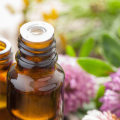
Essential oils are concentrated extracts derived from various parts of plants, including leaves, flowers, stems, and roots. These potent oils capture the plant's natural fragrance and beneficial properties, making them a popular choice for holistic health practices. The process of extracting essential oils typically involves methods such as steam distillation or cold pressing, which preserve the integrity of the plant's compounds. This results in a product that is not only aromatic but also rich in therapeutic potential.The origins of essential oils can be traced back thousands of years to ancient civilizations that utilized them for medicinal, spiritual, and cosmetic purposes.
Cultures such as the Egyptians, Greeks, and Chinese recognized the value of these natural substances, incorporating them into their daily lives for healing and wellness. Today, essential oils have gained widespread popularity in modern wellness practices, including aromatherapy, massage therapy, and natural skincare.One of the primary reasons people turn to essential oils is their myriad of potential benefits. These oils are believed to possess various therapeutic properties that can promote physical and emotional well-being. For instance, lavender oil is often used for its calming effects, while peppermint oil may help alleviate headaches and improve focus.
Additionally, many essential oils have antimicrobial properties that can support immune health and enhance overall vitality.However, while essential oils offer numerous advantages, it is crucial to approach their use with caution and knowledge. Understanding what essential oils are and how they work lays the foundation for safe and effective application. As we delve deeper into this guide, we will explore not only the benefits but also the potential risks associated with improper use of these powerful plant extracts.
The Benefits of Essential Oils
Essential oils have gained significant popularity in recent years, not just for their pleasant aromas but also for their numerous health benefits. These concentrated plant extracts are known for their therapeutic properties, making them a valuable addition to holistic health practices.Aromatherapy
is one of the most well-known applications of essential oils.
This practice involves inhaling the scents of various oils to promote emotional and physical well-being. For instance, lavender oil is widely recognized for its calming effects, helping to reduce anxiety and improve sleep quality. Similarly, peppermint oil can invigorate the senses and enhance mental clarity, making it a popular choice for those needing a quick energy boost.Beyond emotional support, essential oils also offer a range of physical health benefits. Many oils possess antimicrobial properties , which can help combat infections and support the immune system.
For example, tea tree oil is renowned for its ability to fight bacteria and fungi, making it a common ingredient in natural skincare products aimed at treating acne and other skin conditions.Moreover, certain essential oils can aid in pain relief. Oils such as eucalyptus and ginger are often used in massage therapy to alleviate muscle soreness and joint pain. When diluted with a carrier oil and applied topically, these oils can penetrate the skin and provide soothing relief.
Stress relief
is another significant benefit associated with essential oils. The act of diffusing calming scents like chamomile or ylang-ylang in your home can create a serene environment that promotes relaxation.
This practice not only enhances mood but can also lower cortisol levels, contributing to overall stress management.In addition to these benefits, essential oils can also support digestive health. Oils such as lemon and dill are known to aid digestion and alleviate symptoms like bloating or discomfort when used appropriately.In conclusion, while it is crucial to be aware of the potential risks associated with essential oils, their therapeutic uses offer a wealth of benefits that can enhance both mental and physical health. By incorporating these natural remedies into your wellness routine responsibly, you can enjoy their positive effects while minimizing any adverse reactions.
Potential Risks and Side Effects of Essential Oils
While essential oils are often celebrated for their therapeutic properties, it is crucial to recognize that they can also pose certain risks and side effects, particularly when used improperly. Understanding these potential dangers is essential for anyone considering the use of essential oils in their wellness routine.1.Skin Irritation and Allergic Reactions
One of the most common side effects associated with essential oils is skin irritation.
Many essential oils are highly concentrated and can cause reactions when applied directly to the skin without proper dilution. Symptoms may include:
- Redness
- Itching
- Burning sensations
- Rashes
2.Respiratory Issues
Inhalation of essential oils can lead to respiratory problems, especially for individuals with pre-existing conditions such as asthma or allergies. Some oils may act as irritants to the mucous membranes in the respiratory tract, leading to symptoms like:
- Coughing
- Wheezing
- Shortness of breath
- Throat irritation
3.Toxicity from Ingestion
While some essential oils are marketed for internal use, many are toxic when ingested.
Oils such as wintergreen and eucalyptus can be particularly dangerous and may lead to severe poisoning symptoms, including:
- Nausea
- Vomiting
- Dizziness
- Confusion
- Seizures
4.Interactions with Medications
Certain essential oils can interact with prescription medications, potentially altering their effectiveness or increasing the risk of side effects. For instance, oils like grapefruit can interfere with the metabolism of various drugs, leading to elevated levels in the bloodstream. Always consult a healthcare provider if you are taking medications and considering using essential oils.
5.Special Considerations for Vulnerable Populations
Certain groups, including pregnant women, children, and individuals with chronic health conditions, should exercise extra caution when using essential oils. Some oils may not be safe for these populations and could lead to adverse effects.In conclusion, while essential oils offer numerous benefits, it is vital to approach their use with knowledge and care.
By understanding the potential risks and side effects associated with these potent substances, users can enjoy their advantages while minimizing adverse reactions.
Common Mistakes When Using Essential Oils
While essential oils can offer numerous benefits, improper use can lead to adverse effects. Understanding common mistakes is crucial for safe and effective application. Here are some prevalent errors to avoid:- Neglecting Dilution: One of the most significant mistakes is using essential oils undiluted. These oils are highly concentrated and can cause skin irritation or allergic reactions when applied directly.
Always dilute essential oils with a carrier oil, such as coconut or jojoba oil, especially for topical applications.
- Ingesting Essential Oils: Many people mistakenly believe that all essential oils are safe to ingest. However, ingestion can be dangerous and should only be done under the guidance of a qualified healthcare professional. Some oils, like wintergreen and eucalyptus, can be toxic if swallowed.
- Using Oils Without Patch Testing: Before applying a new essential oil to your skin, conduct a patch test. Apply a small amount of diluted oil to a discreet area and wait 24 hours to check for any adverse reactions.
This step is vital for preventing allergic responses.
- Ignoring Quality: Not all essential oils are created equal. Using low-quality or synthetic oils can lead to negative health effects. Always choose high-quality, pure essential oils from reputable sources to ensure safety and efficacy.
- Overusing Oils: More is not always better when it comes to essential oils. Overuse can lead to sensitization, where the body becomes increasingly reactive to the oil over time.
Follow recommended guidelines for usage frequency and quantity.
- Research Thoroughly: Before using any essential oil, research its properties, benefits, and potential side effects. Understanding how each oil interacts with your body is key to safe usage.
- Consult Professionals: If you have pre-existing health conditions or are pregnant, consult with a healthcare provider or an aromatherapist before using essential oils.
- Store Properly: Keep essential oils in a cool, dark place away from children and pets. Proper storage helps maintain their potency and prevents accidental ingestion.
Essential Oils and Allergies: What You Need to Know
Essential oils are celebrated for their therapeutic properties, but they can also trigger allergic reactions in some individuals. Understanding the relationship between essential oils and allergies is crucial for safe usage.Allergic reactions can manifest in various ways, including skin irritations, respiratory issues, and even gastrointestinal disturbances. Recognizing these symptoms early can help you avoid more severe complications.Common symptoms of an allergic reaction to essential oils include:
- Skin Reactions: Redness, itching, or rashes may occur when essential oils come into contact with the skin.
- Respiratory Issues: Inhalation of certain essential oils can lead to coughing, wheezing, or shortness of breath.
- Gastrointestinal Distress: Some individuals may experience nausea or vomiting after ingesting essential oils.
- Select a small area of skin, preferably on your forearm.
- Dilute the essential oil with a carrier oil (such as coconut or jojoba oil) at a ratio of 1:10.
- Apply a small amount of the diluted oil to the chosen area.
- Cover it with a bandage and wait for 24 hours.
- After 24 hours, check for any signs of irritation or allergic reaction.
Additionally, consult with a healthcare professional if you have a history of allergies or asthma, as they can provide personalized advice on which essential oils may be safe for you.In conclusion, while essential oils can offer numerous benefits, being aware of potential allergies is vital. Always prioritize safety by conducting patch tests and consulting with professionals when necessary. This proactive approach will help ensure that your experience with essential oils remains positive and beneficial.
Safe Practices for Using Essential Oils
Using essential oils safely is crucial to maximizing their benefits while minimizing potential risks. Here are some essential guidelines to follow:Proper Dilution Methods
Essential oils are highly concentrated substances, and using them undiluted can lead to skin irritation or adverse reactions.To ensure safe application, it’s important to dilute essential oils properly:
- Carrier Oils: Always mix essential oils with a carrier oil before applying them to the skin. Common carrier oils include coconut oil, jojoba oil, and sweet almond oil. A general rule of thumb is to use a dilution ratio of 1-2 drops of essential oil per teaspoon of carrier oil for adults.
- Patch Test: Before using a new essential oil, conduct a patch test by applying a small diluted amount on a small area of skin. Wait 24 hours to check for any adverse reactions.
- Children and Sensitive Skin: For children or individuals with sensitive skin, further dilution is recommended—typically 1 drop of essential oil per tablespoon of carrier oil.
Safe Storage of Essential Oils
Proper storage of essential oils is vital for maintaining their potency and preventing degradation.Follow these tips for safe storage:
- Keep Away from Light: Store essential oils in dark glass bottles to protect them from light exposure, which can alter their chemical composition.
- Avoid Heat Sources: Keep oils in a cool, dry place away from heat sources like stoves or direct sunlight.
- Childproof Storage: Ensure that all essential oils are stored in a locked cabinet or high shelf out of reach of children and pets.
Recommendations for Usage Frequency
The frequency with which you use essential oils can also impact safety. Here are some recommendations:- Aromatherapy Diffusion: When using a diffuser, limit the diffusion time to 30-60 minutes at a time, allowing breaks in between sessions to prevent overwhelming scents.
- Topical Application: For topical use, limit applications to 2-3 times per day and avoid prolonged use of the same oil over several weeks without breaks.
- Ingestion Caution: If considering ingesting essential oils, consult with a healthcare professional first, as many oils are not safe for consumption.
Consulting Professionals: When to Seek Help
While essential oils can offer numerous benefits, it is crucial to recognize when to seek professional advice. Consulting a healthcare provider can help ensure that you are using these potent substances safely and effectively.Here are some key situations in which you should consider reaching out for professional guidance:
- Pre-existing Health Conditions: If you have any chronic health issues, such as asthma, epilepsy, or heart conditions, it is essential to consult a doctor before using essential oils. Some oils may exacerbate these conditions or interact negatively with medications.
- Pregnancy and Nursing: Pregnant or nursing women should be particularly cautious with essential oils. Certain oils can affect hormonal balance or fetal development. Always discuss your plans with a healthcare provider to ensure safety for both you and your baby.
- Allergies and Sensitivities: If you have known allergies or skin sensitivities, it’s wise to consult an allergist or dermatologist before using essential oils.
They can help identify which oils may trigger reactions and suggest safe alternatives.
- Ingestion of Essential Oils: If you accidentally ingest essential oils or experience adverse effects from them, seek medical attention immediately. Ingesting even small amounts of certain oils can lead to serious health issues.
- Persistent Symptoms: If you experience ongoing symptoms such as headaches, nausea, or skin irritation after using essential oils, it’s important to consult a healthcare professional. They can help determine whether the oils are the cause and recommend appropriate treatment.
- Aromatherapists: Certified aromatherapists can offer personalized advice on which essential oils may be beneficial for your specific needs and how to use them safely.
- Naturopaths: Naturopathic doctors often incorporate essential oils into their practice and can provide guidance on their therapeutic uses in conjunction with other natural remedies.
- Pharmacists: Your local pharmacist can also be a resource for understanding potential interactions between essential oils and prescription medications.
Frequently Asked Questions About Essential Oils
Essential oils have gained immense popularity in recent years, leading to a plethora of questions and misconceptions surrounding their use.Below, we address some of the most frequently asked questions about essential oils to help clarify any doubts.
What are essential oils?
Essential oils are concentrated extracts derived from various parts of plants, including leaves, flowers, stems, and roots. They capture the plant's natural fragrance and beneficial properties, making them popular for aromatherapy, personal care products, and natural remedies.Are essential oils safe to use?
While essential oils can offer numerous benefits, safety depends on proper usage. Essential oils should never be ingested unless under the guidance of a qualified healthcare professional. Additionally, they should be diluted with a carrier oil when applied topically to avoid skin irritation.Can essential oils cause allergic reactions?
Yes, some individuals may experience allergic reactions or skin sensitivities to certain essential oils.It is advisable to conduct a patch test before using a new oil extensively. If irritation occurs, discontinue use immediately.
Do essential oils have any side effects?
While many people use essential oils without issues, some may experience side effects such as headaches, nausea, or skin irritation. These reactions can often be attributed to improper usage or individual sensitivities.Are all essential oils safe for children and pets?
No, not all essential oils are safe for children or pets. Some oils can be toxic or irritating to animals and young children.Always consult with a healthcare provider or veterinarian before using essential oils around them.
Can essential oils replace traditional medicine?
Essential oils can complement traditional medicine but should not replace it. They may provide relief for minor ailments but are not a substitute for professional medical treatment. Always consult with a healthcare professional for serious health concerns.What are some common myths about essential oils?
- Myth: All essential oils are safe for everyone.
- Myth: Essential oils can cure diseases.
- Myth: More is better; using larger amounts increases effectiveness.
Conclusion: Navigating the World of Essential Oils Safely
In conclusion, while essential oils can offer a myriad of health benefits, it is crucial to approach their use with caution and informed awareness.Understanding both the advantages and potential risks associated with these potent substances is essential for anyone looking to incorporate them into their wellness routine.Throughout this guide, we have explored the various ways in which essential oils can enhance our lives, from promoting relaxation and reducing stress to alleviating certain physical ailments. However, it is equally important to recognize that improper use can lead to adverse effects. Here are some key takeaways:
- Research is Key: Before using any essential oil, take the time to research its properties, benefits, and potential side effects. Not all oils are suitable for every individual or situation.
- Quality Matters: Always choose high-quality, pure essential oils from reputable sources.
Adulterated or synthetic oils may not only be ineffective but could also pose health risks.
- Dosage and Application: Follow recommended guidelines for dosage and application methods. Overuse or incorrect application can lead to skin irritations or other health issues.
- Consult Professionals: If you have pre-existing health conditions or are pregnant, consult with a healthcare professional before using essential oils. They can provide personalized advice based on your specific circumstances.
- Storage and Safety: Store essential oils safely out of reach of children and pets. Treat them with the same caution as you would any other potent substance.
Remember that knowledge is power; the more you understand about these natural remedies, the better equipped you will be to navigate the world of essential oils safely and effectively.