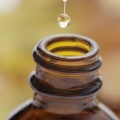
Essential oils are concentrated extracts derived from various parts of plants, including leaves, flowers, stems, and roots. These potent oils capture the plant's natural fragrance and beneficial properties, making them popular in aromatherapy, personal care products, and holistic health practices. The process of extracting essential oils typically involves methods such as steam distillation or cold pressing, which preserve the integrity of the plant's compounds. As a result, essential oils are not only aromatic but also carry a range of therapeutic benefits that can enhance physical and emotional well-being.The definition of essential oils can vary slightly depending on the context, but they are generally understood as volatile compounds that provide plants with their distinctive scents and flavors.
These oils are often used in various applications, from creating soothing atmospheres in homes to promoting relaxation and stress relief through inhalation. Many people incorporate essential oils into their daily routines for purposes such as improving mood, alleviating headaches, or even supporting immune function.One of the most appealing aspects of essential oils is their versatility. They can be used in diffusers to fill a space with delightful aromas, added to bathwater for a calming soak, or blended into massage oils for therapeutic touch. Additionally, some essential oils possess antimicrobial properties that can help purify the air or support skin health when used correctly.
However, while the benefits of essential oils are widely recognized, it is crucial to approach their use with an understanding of safety guidelines to maximize their positive effects while minimizing potential risks.
The Benefits of Inhaling Essential Oils
Inhaling essential oils has gained popularity not only for their delightful fragrances but also for the myriad of benefits they can offer. The practice of aromatherapy, which involves the use of essential oils to enhance physical and emotional well-being, has been embraced by many as a natural approach to health.Mental Clarity and Focus
One of the most notable benefits of inhaling essential oils is the enhancement of mental clarity and focus. Oils such as peppermint and rosemary are particularly renowned for their ability to stimulate the mind. Research suggests that these oils can improve cognitive performance, making them ideal for use during study sessions or when tackling complex tasks.
The invigorating scents can help clear mental fog, allowing for improved concentration and productivity.
Relaxation and Stress Relief
Inhaling essential oils can also promote relaxation and alleviate stress. Scents like lavender and chamomile are well-known for their calming properties. Studies have shown that these oils can lower cortisol levels, the hormone associated with stress, leading to a more tranquil state of mind. Incorporating these oils into your daily routine—whether through a diffuser or simply inhaling directly from the bottle—can create a soothing atmosphere that encourages relaxation.
Emotional Balance
Aromatherapy can play a significant role in emotional well-being.
Essential oils such as bergamot and ylang-ylang have been linked to mood enhancement and emotional balance. Inhaling these scents may help reduce feelings of anxiety and depression, providing a natural alternative to traditional mood stabilizers. The olfactory system is closely connected to the brain's limbic system, which governs emotions, making inhalation an effective method for influencing mood.
Potential Physical Health Improvements
Beyond mental health benefits, inhaling essential oils may also contribute to physical health improvements. For instance, eucalyptus oil is often used to support respiratory health.
Its anti-inflammatory properties can help clear airways and ease breathing difficulties. Similarly, oils like tea tree and lemon possess antimicrobial properties that may aid in fighting off infections when inhaled.
Conclusion
The benefits of inhaling essential oils extend far beyond mere fragrance; they encompass a holistic approach to enhancing both mental and physical health. By integrating these natural remedies into your lifestyle, you can harness their potential to improve clarity, promote relaxation, balance emotions, and even support physical well-being.
Potential Risks of Inhaling Essential Oils
While many people enjoy the aromatic benefits of essential oils, it is crucial to understand the potential risks associated with inhaling them. Although these oils can enhance mood and promote relaxation, improper use can lead to various side effects and health concerns.One of the primary risks of inhaling essential oils is respiratory irritation.When diffused in high concentrations or in poorly ventilated spaces, essential oils can irritate the mucous membranes in the respiratory tract. Symptoms may include:
- Coughing
- Throat irritation
- Shortness of breath
- Wheezing
Some people may be sensitive to specific essential oils, leading to symptoms such as:
- Skin rashes
- Headaches
- Nausea
- Difficulty breathing
How to Safely Inhale Essential Oils
Inhaling essential oils can be a delightful and therapeutic experience, but it is crucial to do so safely to avoid any adverse effects. Here are some guidelines to help you use essential oils safely:Understanding Dosage
When using essential oils, moderation is key.It is generally recommended to use no more than five to six drops of essential oil in a diffuser at one time. This amount is sufficient to enjoy the benefits without overwhelming your senses or risking irritation.
Choosing the Right Diffuser
There are various types of diffusers available, including ultrasonic, nebulizing, and heat diffusers. Each type has its own method of dispersing essential oils into the air:- Ultrasonic Diffusers: These use water and ultrasonic waves to disperse a fine mist of essential oils. They are ideal for maintaining humidity in the air while providing a gentle aroma.
- Nebulizing Diffusers: These do not require water and use air pressure to create a fine mist of pure essential oil.
They are potent and should be used in well-ventilated areas.
- Heat Diffusers: These use heat to evaporate the oil, which can alter its chemical composition. Use these sparingly, as they may not provide the full therapeutic benefits.
Ventilation is Essential
Always ensure that the area where you are inhaling essential oils is well-ventilated. If you notice that the scent is too strong or if you start to feel lightheaded, it’s a sign that you need to increase airflow or reduce the amount of oil being used.Avoiding Irritation
Some individuals may experience respiratory irritation when inhaling certain essential oils. To minimize this risk:- Start Slowly: If you are new to essential oils, begin with a small amount and gradually increase as your body adjusts.
- Avoid Direct Inhalation: Instead of inhaling directly from the bottle, use a diffuser or place a few drops on a cotton ball and keep it at a distance.
- Consult with Professionals: If you have pre-existing respiratory conditions or are pregnant, consult with a healthcare provider before using essential oils.
Storage and Safety Precautions
Proper storage of essential oils is vital for safety:- Keep Out of Reach: Store essential oils in a lockable cabinet or cupboard away from children and pets.
- Avoid Sunlight: Essential oils should be kept in dark glass bottles and stored in a cool, dark place to maintain their potency.
Combining Essential Oils with Other Treatments
When considering the use of essential oils in conjunction with other treatments, it is crucial to approach the matter with caution and informed awareness.While many individuals find that essential oils can enhance their overall well-being, combining them with medications or other therapies requires careful consideration and professional guidance.One of the primary concerns when using essential oils alongside medications is the potential for interactions. Certain essential oils may affect how medications are metabolized in the body, leading to either increased side effects or reduced efficacy of the medication. For instance, oils like grapefruit can interfere with enzymes that process various drugs, which could lead to unexpected outcomes. Therefore, it is essential to consult with a healthcare provider before integrating essential oils into your routine if you are currently on medication.In addition to potential interactions with pharmaceuticals, essential oils can also be used as part of a broader strategy for complementary therapies.
These therapies aim to support conventional medical treatments rather than replace them. For example, individuals undergoing treatment for anxiety or depression may find that diffusing calming oils such as lavender or chamomile can help create a soothing environment that enhances their overall treatment experience.When exploring complementary therapies involving essential oils, consider the following:
- Consultation: Always discuss your plans with a healthcare professional who understands both your medical history and the properties of essential oils.
- Research: Look into studies or literature that support the use of specific essential oils for your condition.
- Dilution: If applying essential oils topically, ensure they are properly diluted to avoid skin irritation.
- Patch Testing: Conduct a patch test before using a new oil to check for any allergic reactions.
- Aromatherapy: Consider using essential oils in a diffuser rather than applying them directly to the skin, especially if you are unsure about their effects.
Frequently Asked Questions about Inhaling Essential Oils
Inhaling essential oils has become a popular practice for many seeking natural remedies and relaxation techniques.However, questions about the safety and best practices for this method are common. Below, we address some frequently asked questions regarding the inhalation of essential oils.
Is it safe to inhale essential oils?
Generally, inhaling essential oils is considered safe for most individuals when done correctly. The aromatic compounds in essential oils can provide various benefits, such as stress relief and improved mood. However, it is crucial to ensure proper ventilation in the area where you are using them.If you find yourself overwhelmed by the scent or experience any discomfort, it may indicate that the area is not well-ventilated or that you are using too much oil.
Can you inhale essential oils directly?
While some people choose to inhale essential oils directly from the bottle or by placing a few drops on a tissue, this method should be approached with caution. Direct inhalation can lead to irritation of the respiratory tract, especially if the oil is highly concentrated. A safer alternative is to use a diffuser, which disperses the oil into the air in a more diluted form. This method allows for a more controlled and pleasant experience.How long can you inhale essential oils?
The duration for which you can safely inhale essential oils varies depending on individual sensitivity and the specific oil being used.As a general guideline, it is advisable to limit inhalation sessions to about 30 minutes at a time. After this period, take a break to allow your body to adjust and prevent any potential irritation. If you are using a diffuser, consider running it intermittently rather than continuously to maintain a comfortable environment.In summary, while inhaling essential oils can be beneficial, it is important to practice caution and be aware of your body's responses. Always consult with a healthcare professional if you have underlying health conditions or concerns about using essential oils.
Conclusion: Weighing the Benefits Against the Risks
In conclusion, the practice of inhaling essential oils presents a fascinating intersection of potential benefits and inherent risks.As we have explored throughout this article, essential oils can offer a range of therapeutic effects, from enhancing mood to promoting relaxation. However, it is crucial to approach their use with caution and informed awareness.One of the primary advantages of inhaling essential oils is their ability to positively influence mental well-being. The aromatic compounds found in these oils can stimulate the olfactory system, which is closely linked to the brain's emotional center. This connection can lead to improved mood, reduced stress levels, and even enhanced cognitive function.
For many individuals, incorporating essential oils into their daily routine can serve as a natural method for managing anxiety and promoting overall emotional health.Nevertheless, it is essential to recognize that not all essential oils are created equal. Some may cause adverse reactions, particularly when used in excessive amounts or without proper ventilation. As highlighted earlier, inhaling concentrated essential oils in poorly ventilated spaces can irritate the respiratory system. Therefore, moderation is key; using a diffuser with a limited number of drops—typically no more than five to six—can help mitigate these risks.Moreover, individuals with pre-existing health conditions or those who are pregnant should exercise particular caution.
Consulting with a healthcare professional before using essential oils is advisable to ensure safety and avoid any potential interactions with medications or existing health issues.In summary, while the inhalation of essential oils can be a delightful and beneficial experience, it is imperative to weigh these benefits against the possible risks. By understanding how to use these oils safely and effectively, individuals can enjoy their aromatic properties while minimizing any adverse effects. Ultimately, informed usage will allow you to harness the full potential of essential oils in your wellness journey.