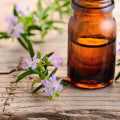
Essential oils are concentrated plant extracts that capture the natural fragrance and beneficial properties of various botanicals. These oils are derived from different parts of plants, including leaves, flowers, stems, and roots, through methods such as steam distillation, cold pressing, or solvent extraction. Each essential oil possesses a unique chemical composition, which contributes to its distinct aroma and therapeutic benefits. For instance, lavender essential oil is renowned for its calming properties, while peppermint oil is often used for its invigorating scent.The benefits of essential oils extend beyond their delightful fragrances.
They have been utilized for centuries in aromatherapy, holistic healing, and personal care products. Many people turn to essential oils for their potential health benefits, which may include stress relief, improved mood, enhanced focus, and even physical wellness. Additionally, essential oils can serve as natural alternatives to synthetic fragrances in various applications, making them a popular choice among those seeking a more organic lifestyle.In terms of usage, essential oils are incredibly versatile. They can be incorporated into diffusers for aromatic experiences, added to bath products for a soothing soak, or blended into skincare formulations for their nourishing properties.
Furthermore, the growing trend of DIY projects has led many enthusiasts to explore the world of candle making with essential oils. While this practice can yield beautifully scented candles that enhance the ambiance of any space, it also requires an understanding of how these oils interact with wax and heat.As we delve deeper into the topic of using essential oils in candle making, it is crucial to grasp their characteristics and limitations. This foundational knowledge will not only help you appreciate the art of candle crafting but also guide you in making informed choices about which essential oils to use and how to achieve the best results.
Can Essential Oils Be Used in Candles?
When it comes to the question of whether essential oils can be used in candles, the answer is a bit nuanced. While it is indeed possible to incorporate essential oils into candle making, there are several important factors to consider that can affect the overall outcome.One of the primary challenges with using essential oils in candles is their compatibility with wax.Essential oils typically have low flash points, which means they can evaporate quickly when exposed to high temperatures. This characteristic can lead to a significant loss of fragrance once the candle is lit. Many candle makers have observed that while the scent may be strong when the candle is cold, it often diminishes considerably when burned.To achieve the best results when using essential oils in candles, it is recommended to follow a few guidelines:
- Use the Right Ratio: A common recommendation is to use about 1 ounce of essential oil for every pound of wax. This ratio can help ensure that the scent remains noticeable during burning.
- Choose Compatible Oils: Not all essential oils are created equal.
Some may produce undesirable odors when burned, while others may not hold their scent well in wax. It’s crucial to research and select essential oils known for their stability and pleasant aroma when heated.
- Experiment with Blends: Combining different essential oils can create unique fragrances and may improve scent throw. However, be cautious with your blends, as some combinations may not work well together.
- Utilize Proper Melting Techniques: Using a double boiler to melt wax and mix in essential oils can help maintain the integrity of the oils and prevent them from evaporating too quickly. Using a double boiler to melt wax and mix in essential oils can help maintain the integrity of the oils and prevent them from evaporating too quickly.
Therefore, always check safety guidelines for each oil before use. For instance, while lavender is a popular choice for its calming properties, other oils like eucalyptus or tea tree may not be suitable for burning.In conclusion, while essential oils can certainly be used in candle making, success often depends on careful selection and experimentation. By understanding the limitations and following best practices, you can create beautifully scented candles that enhance your space without compromising safety or quality.
Challenges of Using Essential Oils in Candles
When it comes to incorporating essential oils into candle making, several challenges arise that can impact both the quality of the candle and the overall scent experience. Understanding these challenges is crucial for anyone looking to create candles infused with natural fragrances.Evaporation Rates
One of the primary issues with using essential oils in candles is their tendency to evaporate quickly when exposed to heat.
Essential oils are volatile compounds, meaning they can easily vaporize at relatively low temperatures. This characteristic poses a significant challenge during the candle-making process, particularly when the wax is heated. As the wax melts, the high temperatures can cause essential oils to evaporate before they have a chance to impart their fragrance into the candle. This evaporation not only diminishes the scent but can also lead to an uneven distribution of fragrance throughout the candle.
Scent Throw Issues
The term "scent throw" refers to how well a candle disperses its fragrance when lit.
While essential oils may provide a strong aroma when the candle is cold, this scent often diminishes significantly once the candle is burning. Many users report that candles made with essential oils have a robust cold throw but struggle with hot throw, meaning that while they smell delightful before being lit, they fail to deliver a satisfying fragrance experience when ignited. This discrepancy can be frustrating for those who expect a consistent scent profile throughout the burning process.
Potential Safety Concerns
Another critical aspect to consider is safety. Not all essential oils are safe for burning, and some can release harmful compounds when heated.
For instance, certain oils may produce toxic fumes or irritants that could pose health risks when inhaled. It is essential to research each oil thoroughly and ensure it is suitable for use in candles. Additionally, some essential oils may have low flash points, which increases the risk of fire hazards if not handled properly during the candle-making process.In conclusion, while using essential oils in candles can create a unique and natural fragrance experience, it is vital to be aware of these challenges. By understanding evaporation rates, scent throw issues, and potential safety concerns, candle makers can make informed decisions and experiment more effectively with their formulations.
Best Practices for Using Essential Oils in Candle Making
When it comes to incorporating essential oils into candle making, following best practices can significantly enhance your results.Here are some practical tips to ensure that your candles not only smell great but also burn safely and effectively.
Understanding Ratios
One of the most critical aspects of using essential oils in candles is the ratio of oil to wax. A common recommendation is to use 1 ounce of essential oil for every pound of wax. This ratio helps achieve a balanced scent throw without overwhelming the candle's composition. However, you may need to adjust this based on the specific essential oil you are using, as some oils are more potent than others.Choosing the Right Wax
The type of wax you choose can also impact how well essential oils perform in your candles.Natural waxes like soy or beeswax tend to hold scents better than paraffin wax. If you're aiming for a cleaner burn and a more robust scent profile, consider using soy wax , which is known for its excellent scent throw and compatibility with essential oils.
Mixing Techniques
To effectively blend essential oils with wax, it’s advisable to use a double boiler method. This technique allows for gentle heating, preventing the essential oils from evaporating too quickly. Here’s how to do it:- Prepare your materials: Gather your wax, essential oils, and a double boiler.
- Melt the wax: Place the wax in the top pot of the double boiler and heat it slowly until fully melted.
- Add essential oils: Once the wax reaches around 185°F (85°C), remove it from heat and stir in your essential oils thoroughly.
- Pour into molds: Allow the mixture to cool slightly before pouring it into your candle molds or containers.
Testing and Experimentation
Every essential oil has unique properties that can affect its performance in candles.It’s crucial to conduct small test batches before committing to larger pours. This experimentation will help you understand how different oils behave when burned and how they interact with various wax types.
Avoiding Toxic Oils
While many essential oils are safe for candle making, some can be toxic when burned. Always research each oil's safety profile before use. For instance, certain citrus oils may have phototoxic properties that could pose risks when exposed to light.Stick to well-known options like lavender or eucalyptus for safer results.By following these best practices, you can create beautiful candles infused with essential oils that not only smell delightful but also enhance your home environment safely and effectively.
Choosing the Right Essential Oils for Candles
When it comes to candle making, selecting the right essential oils is crucial for achieving the desired aroma and overall experience. Not all essential oils are created equal, and some are better suited for use in candles than others. Here, we will explore some of the best and safest essential oils for candle making, along with their unique properties and fragrance profiles.Popular Essential Oils for Candles
- Lavender Essential Oil: Known for its calming and relaxing properties, lavender is a favorite among candle makers. Its floral scent is not only soothing but also has been shown to reduce stress and promote better sleep.
- Eucalyptus Essential Oil: This oil offers a fresh, invigorating aroma that can help clear the mind and promote respiratory health.
Eucalyptus is often used in candles designed for relaxation or meditation.
- Peppermint Essential Oil: With its refreshing and uplifting scent, peppermint is perfect for creating energizing candles. It can also help improve focus and concentration, making it a great choice for workspaces.
- Lemon Essential Oil: Bright and zesty, lemon essential oil adds a cheerful note to any candle. Its clean scent can help purify the air and uplift the mood, making it ideal for kitchens or living areas.
- Tea Tree Essential Oil: Renowned for its antibacterial properties, tea tree oil has a sharp, medicinal scent that can help cleanse the air. It’s an excellent choice for candles intended to promote wellness.
Choosing Safe Essential Oils
When selecting essential oils for candle making, it’s important to ensure they are safe for burning.Some essential oils can release harmful compounds when heated. Always look for oils that are labeled as safe for use in candles or have been tested for this purpose. Additionally, consider the flash point of the oil; oils with low flash points may evaporate too quickly when mixed with hot wax.In summary, while there are many options available, focusing on popular and safe essential oils will enhance your candle-making experience. Experimenting with different combinations can lead to unique fragrances that suit your personal preferences or those of your gift recipients.
Alternatives to Essential Oils in Candle Making
While essential oils are often celebrated for their natural origins and therapeutic properties, they may not always be the best choice for candle making.Fortunately, there are several alternatives that can provide delightful fragrances without the challenges associated with essential oils.
Fragrance Oils
Fragrance oils are synthetic or blended scents specifically designed for use in candles. They offer a wide range of options, from fruity and floral to spicy and earthy. Here are some key points to consider:- Variety: Fragrance oils come in an extensive array of scents, allowing candle makers to experiment and create unique blends that may not be achievable with essential oils alone.
- Consistency: Unlike essential oils, which can vary in strength and scent profile based on the plant source, fragrance oils provide a consistent aroma every time.
- Hot Throw: Many fragrance oils are formulated to have a strong hot throw, meaning they release their scent effectively when the candle is lit, enhancing the overall experience.
Synthetic Fragrances
Synthetic fragrances are another alternative that can be used in candle making. These are man-made compounds designed to mimic natural scents.Here’s what you should know:
- Cost-Effective: Synthetic fragrances are often more affordable than essential oils, making them a budget-friendly option for candle makers.
- Stability: They tend to be more stable at high temperatures, reducing the risk of scent loss during the candle-making process.
- Customization: Candle makers can create complex scent profiles by blending different synthetic fragrances, allowing for greater creativity.
Safety Considerations When Using Essential Oils in Candles
When it comes to using essential oils in candle making, safety should always be a top priority. While many essential oils are derived from natural sources and can provide delightful fragrances, some can pose risks when burned.Understanding these risks is crucial for both the maker and the end user.
Potential Toxicity of Essential Oils
- Not All Essential Oils Are Safe: Some essential oils contain compounds that can be toxic when heated or burned. For instance, oils like cinnamon, clove, and tea tree have been noted for their potential toxicity when used in candles. It’s essential to research each oil thoroughly before incorporating it into your candle-making process.
- Allergic Reactions: Certain individuals may have allergies or sensitivities to specific essential oils. When burned, these oils can release compounds that may trigger respiratory issues or skin reactions in sensitive individuals.
Always consider the audience for your candles and avoid using oils known to cause allergies.
- Flash Points: Essential oils have varying flash points, which is the temperature at which they can ignite. Many essential oils have low flash points, meaning they can evaporate quickly when exposed to high temperatures, potentially leading to a fire hazard. Always check the flash point of the essential oil you plan to use and ensure it is suitable for candle making.
Guidelines for Safe Candle Making Practices
- Use High-Quality Oils: Opt for pure, therapeutic-grade essential oils that are specifically labeled as safe for candle making. Avoid synthetic fragrances or low-quality oils that may contain harmful additives.
- Test Small Batches: Before committing to a larger batch of candles, conduct tests with small quantities of wax and essential oil mixtures.
This allows you to evaluate both the scent throw and any potential adverse reactions.
- Ventilation: Ensure that your workspace is well-ventilated when melting wax and adding essential oils. This helps dissipate any fumes that may arise during the process.
- Labeling: If you plan to sell or gift your candles, include clear labels indicating the ingredients used, especially if they contain essential oils known for potential allergens or toxicity.
DIY Candle Making with Essential Oils: A Step-by-Step Guide
Creating your own candles with essential oils can be a rewarding and aromatic experience. This step-by-step guide will walk you through the process of making DIY candles infused with your favorite essential oils, ensuring you achieve a delightful scent while being mindful of the unique properties of these oils.Materials Needed:
- Candle wax: Choose from soy, beeswax, or paraffin wax.
- Essential oils: Select high-quality oils that are safe for candle making.
- Candle wicks: Ensure they are appropriate for the type of wax you are using.
- Double boiler: For melting the wax safely.
- Thermometer: To monitor the temperature of the wax.
- Candle containers: Glass jars or metal tins work well.
- Stirring utensil: A wooden stick or spoon for mixing.
Step-by-Step Process:
- Prepare Your Workspace: Ensure your area is clean and free from distractions.
Lay out all your materials for easy access.
- Melt the Wax: Fill the bottom pot of your double boiler with water and bring it to a gentle simmer. Add your wax to the top pot and allow it to melt completely, stirring occasionally. Monitor the temperature; it should reach around 170-180°F (77-82°C).
- Add Essential Oils: Once the wax is melted, remove it from heat. Allow it to cool slightly to about 160°F (71°C) before adding your essential oils.
A good rule of thumb is to use 1 ounce of essential oil per pound of wax. Stir thoroughly to ensure even distribution.
- Prepare the Wick: While the wax cools, secure your wick in the center of your container using a wick holder or a small amount of melted wax. This will keep it upright as you pour in the wax.
- Pour the Wax: Carefully pour the scented wax into your prepared container, leaving a small amount of space at the top. Make sure to keep the wick centered as you pour.
- Let It Set: Allow your candle to cool and harden completely, which may take several hours.
Avoid moving it during this time to prevent any imperfections.
- Trim the Wick: Once fully set, trim the wick to about 1/4 inch above the surface of the candle. This will help ensure a clean burn when lit.
Frequently Asked Questions About Essential Oils in Candles
When it comes to using essential oils in candle making, many enthusiasts have questions and concerns. Below are some frequently asked questions that can help clarify common misconceptions and provide practical advice for those looking to incorporate essential oils into their candles.Can I use any essential oil in my candles?
Not all essential oils are suitable for candle making.Some oils can be toxic when burned, while others may not produce a pleasant scent when heated. It’s crucial to research each essential oil you plan to use and ensure it is safe for candle making. Look for oils that are specifically labeled as safe for use in candles or bath products.
Why does the scent of my essential oil candle fade when lit?
This is a common issue faced by many candle makers. Essential oils have low flash points, which means they can evaporate quickly when exposed to high temperatures.As a result, the fragrance may be strong when the candle is cold but diminishes significantly once lit. To mitigate this, consider using a higher concentration of essential oil or blending it with fragrance oils that are designed for candle making.
How much essential oil should I use in my candles?
A general guideline is to use about 1 ounce of essential oil per pound of wax. However, this can vary based on the type of wax and the specific essential oil used. Experimentation is key; start with this ratio and adjust according to your preferences and the results you observe.What are some tips for successfully making candles with essential oils?
- Use a double boiler: This method allows for gentle heating, reducing the risk of burning the essential oils.
- Choose high-quality oils: Opt for pure, therapeutic-grade essential oils to ensure better scent retention and safety.
- Test small batches: Before committing to larger quantities, test small batches to see how the scent performs when burned.
- Consider blending: Mixing different essential oils or combining them with fragrance oils can enhance the overall scent profile.
Are there any safety concerns with burning essential oils in candles?
Yes, some essential oils can release harmful compounds when burned.Always check safety guidelines and avoid using oils known to be toxic or irritating when heated. Additionally, ensure proper ventilation when burning candles made with essential oils to minimize inhalation of any potentially harmful substances.By addressing these common questions, you can enhance your understanding of using essential oils in candle making and improve your overall experience. Remember that experimentation is part of the process, so don’t hesitate to try different combinations and techniques!
Conclusion: The Future of Essential Oils in Candle Making
In summary, the use of essential oils in candle making presents both opportunities and challenges. While these natural extracts can infuse candles with delightful fragrances and potential therapeutic benefits, their compatibility with wax remains a significant concern.As discussed, essential oils often struggle to maintain their scent when subjected to the high temperatures involved in candle production, leading to a diminished aroma once the candle is lit.Despite these challenges, the future of essential oils in candle making is not without promise. As more consumers seek out natural and eco-friendly products, the demand for candles made with essential oils is likely to grow. This trend could encourage manufacturers to invest in research and development aimed at improving the formulation of essential oil blends that can withstand the rigors of candle making.Moreover, advancements in technology may lead to innovative methods for incorporating essential oils into candles without compromising their integrity. For instance, encapsulation techniques or the development of specialized waxes that better bind with essential oils could enhance scent retention and overall performance.As candle makers continue to experiment with different combinations of waxes and essential oils, it is crucial for them to remain informed about safety guidelines and best practices.
Understanding which essential oils are safe for burning and how they interact with various wax types will be key to creating successful products.Ultimately, while there are hurdles to overcome, the potential for essential oils in candle making is vast. With a focus on quality, safety, and innovation, both hobbyists and commercial producers can explore new avenues for creating aromatic experiences that resonate with consumers seeking natural alternatives.