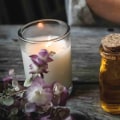
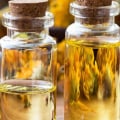
Essential oils are concentrated extracts derived from various parts of plants, including leaves, flowers, stems, and roots. These potent oils capture the natural fragrance and beneficial properties of the plants, making them a popular choice for aromatherapy, personal care, and holistic health practices. The process of extracting essential oils typically involves methods such as steam distillation or cold pressing, which help retain the plant's therapeutic qualities. As a result, essential oils are not only valued for their delightful scents but also for their potential health benefits.
For those interested in exploring more about holistic practices, check out All You Need to Know About Hudson.The benefits of essential oils are vast and varied, appealing to those seeking natural remedies for physical and emotional well-being. Many users report that essential oils can help alleviate stress, improve sleep quality, enhance mood, and even support immune function. For instance, lavender oil is renowned for its calming effects, while eucalyptus oil is often used to relieve respiratory issues. Additionally, some essential oils possess antimicrobial properties that can aid in cleaning and purifying spaces. For those interested in exploring more about holistic practices, check out All You Need to Know About Hudson.The benefits of essential oils are vast and varied, appealing to those seeking natural remedies for physical and emotional well-being. Many users report that essential oils can help alleviate stress, improve sleep quality, enhance mood, and even support immune function. For instance, lavender oil is renowned for its calming effects, while eucalyptus oil is often used to relieve respiratory issues. Additionally, some essential oils possess antimicrobial properties that can aid in cleaning and purifying spaces.
This versatility makes essential oils an attractive option for individuals looking to incorporate natural solutions into their daily routines.There is a wide array of essential oils available on the market today, each with its unique properties and uses. Common types include:
- Lavender: Known for its soothing aroma and calming effects.
- Peppermint: Often used to invigorate the senses and relieve headaches.
- Eucalyptus: Valued for its respiratory benefits and refreshing scent.
- Tea Tree: Recognized for its antiseptic properties and skin benefits.
- Lemon: Popular for its uplifting fragrance and cleansing abilities.
Factors to Consider When Buying Essential Oils
When it comes to purchasing essential oils, understanding the key factors that influence their quality and effectiveness is crucial. Here are some important considerations to keep in mind:Purity of Essential Oils
The purity of essential oils is paramount.Look for oils that are labeled as 100% pure, as this indicates that they do not contain any synthetic additives or fillers. Many reputable brands provide a Certificate of Analysis (COA) that verifies the oil's purity and chemical composition. This document can help you ensure that you are getting a product that is free from contaminants.
Sourcing and Production Methods
The source of the essential oil plays a significant role in its quality. Oils derived from plants grown in their native environments tend to have more potent therapeutic properties.Research the brand's sourcing practices; reputable companies often work directly with farmers or distilleries to ensure sustainable and ethical harvesting methods. Additionally, consider whether the oils are extracted using steam distillation or cold pressing, as these methods typically preserve the integrity of the oil.
Quality Certifications
Look for essential oils that have been certified by recognized organizations. Certifications such as USDA Organic or ISO standards can provide assurance regarding the quality and safety of the oils. These certifications indicate that the oils have been produced under strict guidelines, ensuring they meet high standards for purity and environmental responsibility.Brand Reputation
Researching the brand's reputation can also guide your purchasing decision.Read customer reviews and testimonials to gauge the experiences of other users. Brands with a strong commitment to quality often have positive feedback regarding their products. Additionally, consider whether the brand offers educational resources about essential oils, as this can indicate a dedication to customer safety and knowledge.
Price vs. Quality
While it may be tempting to choose cheaper options, remember that quality often comes at a price.High-quality essential oils require careful cultivation and extraction processes, which can drive up costs. Be wary of extremely low-priced oils, as they may be diluted or synthetic. Instead, look for a balance between affordability and quality to ensure you are investing in effective products.By considering these factors—purity, sourcing, quality certifications, brand reputation, and price—you can make informed decisions when buying essential oils. This diligence will help you select products that not only meet your needs but also enhance your overall wellness journey.
Top Brands for Essential Oils
When it comes to purchasing essential oils, selecting a reputable brand is crucial for ensuring quality and effectiveness.Here are some of the top brands that have established themselves as leaders in the essential oil market:
- Plant Therapy : Known for its commitment to quality, Plant Therapy sources its oils from trusted farmers and distillers around the world. They offer a wide range of organic options and have a team of certified aromatherapists who create blends tailored for various needs. Their educational resources, including dilution charts and safety guidelines, make them a favorite among both beginners and experienced users.
- The Vitamin Shoppe (Vthrive) : This retailer has recently launched its own line of essential oils, Vthrive, which includes 14 different varieties such as lavender and tea tree. All oils are 100% pure and USDA-certified organic, ensuring that customers receive high-quality products without any additives.
The Vitamin Shoppe's focus on health and wellness makes it a reliable source for essential oils.
- Enfluerage : Located in New York, Enfluerage specializes in aromatic products sourced directly from distilleries across six continents. They pride themselves on offering pure oils without any additives, focusing on therapeutic blends that address specific health concerns like stress relief and immune support. Additionally, they provide online classes to help customers maximize the benefits of their oils.
- Nature's Truth : Available at major retailers like CVS, Nature's Truth is known for its affordable yet high-quality essential oils. Their product line includes popular options for diffusers and topical applications, making it easy for consumers to find what they need without breaking the bank.
- Now Foods : A well-respected name in the health industry, Now Foods offers a diverse selection of essential oils that cater to various needs.
Their commitment to quality is evident in their rigorous testing processes, ensuring that each oil is pure and effective. Users often turn to Now Foods for popular options like peppermint oil, which is reputed for its potential headache-relieving properties.
- Bulk ApothecaryBulk Apothecary : Ideal for those looking to buy in larger quantities or start their own essential oil business, Bulk Apothecary provides an extensive range of oils at competitive prices. Their focus on bulk purchasing makes them a go-to option for both personal use and commercial endeavors.
- Anthropologie : While primarily known as a lifestyle retailer, Anthropologie has expanded its offerings to include essential oil kits designed for beginners. These kits often come with various sizes of bottles and complementary products like soaps and lotions, making them an attractive option for those new to aromatherapy.
By considering factors such as sourcing practices, product purity, and customer education, you can find a trusted manufacturer that meets your specific needs.
Where to Buy Essential Oils: Online vs. In-Store
When it comes to purchasing essential oils, consumers often face the choice between buying online or visiting local stores. Each option has its own set of advantages and disadvantages, which can significantly impact your shopping experience and the quality of the products you receive.Buying Essential Oils Online
- Convenience: One of the most significant benefits of shopping online is convenience. You can browse a wide variety of brands and products from the comfort of your home, at any time of day.
This is particularly useful for those with busy schedules or limited access to local shops.
- Wider Selection: Online retailers often carry a broader range of essential oils, including rare or specialty oils that may not be available in physical stores. Websites like Amazon, Plant Therapy, and other dedicated aromatherapy sites provide extensive catalogs.
- Price Comparisons: Shopping online allows you to easily compare prices across different retailers, helping you find the best deals on essential oils. Many websites also offer discounts, promotions, or loyalty programs that can save you money.
- Customer Reviews: Online shopping provides access to customer reviews and ratings, which can help you make informed decisions about the quality and effectiveness of specific oils.
Challenges of Online Shopping
- Lack of Physical Inspection: One downside to buying online is that you cannot physically inspect the product before purchasing. This can lead to uncertainty about the quality or authenticity of the essential oils.
- Shipping Costs and Delays: Depending on the retailer, shipping costs can add to your overall expense.
Additionally, waiting for your order to arrive can be inconvenient if you need the oils immediately.
Buying Essential Oils In-Store
- Immediate Availability: Purchasing essential oils in-store allows you to take your products home immediately. This is ideal for those who need oils for a specific purpose right away.
- Personal Interaction: Local shops often have knowledgeable staff who can provide personalized recommendations based on your needs. This interaction can enhance your understanding of how to use essential oils effectively.
- Quality Assurance: Being able to smell and inspect the oils before buying can give you confidence in their quality. You can also check for certifications or labels that indicate purity.
Challenges of In-Store Shopping
- Limited Selection: Local stores may not carry as extensive a range of essential oils, especially niche or specialty products.
This limitation could mean missing out on high-quality options available online.
- Higher Prices: Physical stores often have higher overhead costs, which can translate into higher prices for consumers compared to online retailers.
Essential Oil Retailers: A Closer Look
When it comes to purchasing essential oils, the choice of retailer can significantly impact the quality and effectiveness of the products you receive.Below, we explore some of the most reputable retailers, both online and in physical stores, that are known for their high-quality essential oils.
Online Retailers
Shopping for essential oils online offers convenience and a wider selection. Here are some top online retailers:- Plant Therapy : Renowned for their commitment to quality, Plant Therapy sources their oils directly from farmers and distilleries worldwide. They provide detailed information about each oil, including its origin and uses, making it easier for customers to choose the right product.
- Amazon : While it’s essential to be cautious when buying from third-party sellers on Amazon, many reputable brands offer their products through this platform. Look for products with high ratings and read customer reviews to ensure quality.
- Mountain Rose Herbs : This retailer specializes in organic and sustainably sourced essential oils.
They provide a wide range of oils along with educational resources about their uses and benefits.
- Edens Garden : Known for their extensive selection of pure essential oils, Edens Garden also offers a variety of blends tailored for specific needs. Their commitment to quality is evident in their rigorous testing processes.
Brick-and-Mortar Stores
If you prefer to shop in person, several brick-and-mortar stores offer quality essential oils:- The Vitamin Shoppe : This health-focused retailer has a dedicated line of essential oils called Vthrive. All oils are 100% pure and USDA certified organic, making them a reliable choice for health-conscious consumers.
- Whole Foods Market : Known for its commitment to natural products, Whole Foods carries a selection of high-quality essential oils. Their knowledgeable staff can help guide you in selecting the right oils for your needs.
- CVS Pharmacy : For those looking for affordable options, CVS offers brands like Nature's Truth that provide good quality essential oils at competitive prices.
This is a convenient option for quick purchases.
Understanding Essential Oil Labels and Certifications
When it comes to purchasing essential oils, understanding the labels and certifications is crucial for ensuring you are getting a high-quality product. The world of essential oils can be overwhelming, especially with the variety of brands and products available. Here’s a guide to help you navigate essential oil labels effectively.Decoding Essential Oil Labels
Reading essential oil labels requires attention to detail.Here are some key elements to look for:
- Botanical Name: This is the scientific name of the plant from which the oil is derived. It typically consists of two parts: the genus and species. For example, lavender oil is labeled as Lavandula angustifolia. Knowing the botanical name helps ensure you are purchasing the correct oil.
- Country of Origin: The label should indicate where the plant was grown.
Different regions can produce oils with varying qualities and characteristics. For instance, Lavandula angustifolia from France may have different aromatic properties than that from Bulgaria.
- Extraction Method: Essential oils can be extracted through various methods, including steam distillation, cold pressing, or solvent extraction. The extraction method can affect the oil's purity and therapeutic properties, so it’s important to choose oils that specify their extraction process.
- Purity Statement: Look for terms like "100% pure" or "therapeutic grade" on the label. However, be cautious as these terms are not regulated and can vary by brand.
Certifications to Look For
Certifications can provide additional assurance regarding the quality and safety of essential oils.Here are some reputable certifications to consider:
- USDA Organic: This certification indicates that the essential oil is made from plants grown without synthetic fertilizers or pesticides. Organic oils are often considered safer and more environmentally friendly.
- GC/MS Testing: Gas Chromatography-Mass Spectrometry (GC/MS) testing is a method used to analyze the chemical composition of essential oils. Brands that provide GC/MS reports demonstrate transparency and allow consumers to verify the purity and quality of their products.
- Cruelty-Free: Look for brands that are certified cruelty-free, meaning they do not test their products on animals. This certification aligns with ethical consumerism and supports humane practices in product development.
Always prioritize quality over price, as investing in high-quality essential oils will yield better results for your health and wellness needs.
Common Uses for Essential Oils
Essential oils have gained immense popularity due to their versatility and numerous benefits. Understanding the common uses of essential oils can help you incorporate them into your daily life effectively. Here are some of the most popular applications:Aromatherapy
Aromatherapy is one of the most well-known uses for essential oils. By diffusing these oils into the air, you can create a calming atmosphere that promotes relaxation and reduces stress.Popular essential oils for aromatherapy include:
- Lavender: Known for its soothing properties, lavender oil can help alleviate anxiety and improve sleep quality.
- Peppermint: This invigorating oil can enhance focus and energy levels, making it ideal for use during work or study sessions.
- Eucalyptus: Often used to relieve respiratory issues, eucalyptus oil can help clear sinuses and promote easier breathing.
Skincare
Essential oils are also widely used in skincare routines due to their natural properties. They can help address various skin concerns, such as:- Tea Tree Oil: Renowned for its antibacterial and anti-inflammatory properties, tea tree oil is effective in treating acne and blemishes.
- Frankincense: This oil is known for its ability to reduce the appearance of scars and fine lines, making it a popular choice in anti-aging products.
- Rosehip Oil: Rich in vitamins and antioxidants, rosehip oil helps hydrate the skin and improve overall texture.
Household Uses
In addition to personal care, essential oils can be utilized around the home for cleaning and freshening up spaces. Some effective household uses include:- Lemon Oil: Its natural antibacterial properties make lemon oil an excellent addition to homemade cleaning solutions.
- Lavender Oil: Beyond its calming scent, lavender oil can be used as a natural air freshener or added to laundry for a fresh aroma.
- Pine Oil: Known for its disinfectant qualities, pine oil is great for cleaning surfaces and eliminating odors.
Always remember to use essential oils safely by diluting them appropriately and consulting with a professional if you have any concerns.
Safety Tips for Using Essential Oils
Using essential oils can be a delightful and beneficial experience, but it is essential to approach them with caution. Here are some vital safety tips to ensure you use essential oils effectively and responsibly:- Always dilute essential oils: Pure essential oils are highly concentrated and can cause skin irritation or allergic reactions if applied directly. Always dilute them with a carrier oil, such as coconut or jojoba oil, before topical application. A common dilution ratio is 2-3 drops of essential oil per teaspoon of carrier oil.
- Conduct a patch test: Before using a new essential oil, perform a patch test by applying a small amount of the diluted oil to a small area of skin.
Wait 24 hours to see if any adverse reactions occur.
- Avoid sensitive areas: Keep essential oils away from sensitive areas such as the eyes, inner ears, and mucous membranes. If contact occurs, rinse thoroughly with a carrier oil and seek medical attention if irritation persists.
- Consult with healthcare professionals: If you are pregnant, nursing, or have existing health conditions, consult your doctor or a certified aromatherapist before using essential oils. Some oils may not be safe for certain individuals.
- Store oils properly: Essential oils should be stored in dark glass bottles in a cool, dry place away from direct sunlight. This helps maintain their potency and prevents degradation.
- Be cautious with pets: Some essential oils can be toxic to pets.
Always check with your veterinarian before using essential oils around animals. Oils like tea tree, citrus, and peppermint can be harmful to dogs and cats.
- Use high-quality oils: Purchase essential oils from reputable brands that provide transparency about their sourcing and testing practices. Look for oils that are labeled as 100% pure and free from additives.
- Avoid ingestion: Unless under the guidance of a qualified professional, avoid ingesting essential oils. Ingesting them can lead to serious health issues.
Always prioritize safety and educate yourself about the specific properties of each oil you choose to use.
Frequently Asked Questions About Essential Oils
Essential oils have gained immense popularity in recent years, leading to a surge in interest and numerous questions about their use, benefits, and safety. Below are some of the most frequently asked questions regarding essential oils, along with clarifications to dispel common misconceptions.What are essential oils?
Essential oils are concentrated extracts derived from various parts of plants, including leaves, flowers, stems, and roots. These oils capture the plant's natural fragrance and beneficial properties, making them popular for aromatherapy, personal care products, and natural remedies.Are essential oils safe to use?
While many essential oils are safe for topical application and aromatherapy, it is crucial to use them correctly. Always dilute essential oils with a carrier oil before applying them to the skin to prevent irritation.Additionally, some oils may not be suitable for pregnant women, children, or pets. Always consult a healthcare professional or a certified aromatherapist if you have concerns.
Can essential oils cure diseases?
It is important to note that while essential oils can support overall wellness and may alleviate certain symptoms, they are not a substitute for medical treatment. There is limited scientific evidence to support claims that essential oils can cure diseases. They should be used as complementary therapies rather than primary treatments.How do I choose high-quality essential oils?
- Look for purity: Choose brands that provide 100% pure essential oils without additives or synthetic ingredients.
- Check for third-party testing: Reputable companies often conduct independent testing to verify the quality and purity of their products.
- Read reviews: Customer feedback can provide insights into the effectiveness and quality of the oils.
Can I use essential oils around my pets?
Some essential oils can be toxic to pets, particularly cats and dogs.Oils such as tea tree, eucalyptus, and citrus should be avoided in households with animals. Always consult your veterinarian before using essential oils in your home if you have pets.
What is the best way to use essential oils?
The method of use depends on your goals:- Aromatherapy: Use a diffuser to disperse the oil into the air for relaxation or mood enhancement.
- Topical application: Dilute with a carrier oil and apply directly to the skin for localized benefits.
- Baths: Add a few drops of essential oil to your bathwater for a soothing experience.
Conclusion: Finding Your Perfect Essential Oil Match
As we conclude our exploration of where to buy the best essential oils, it’s essential to reflect on the key points discussed throughout this article. The world of essential oils is vast and varied, offering a plethora of options that cater to different needs, preferences, and budgets. Whether you are a seasoned user or just beginning your journey into the aromatic realm, understanding where to source your oils can significantly impact your experience.We highlighted several reputable brands and retailers, each with unique offerings.From Plant Therapy , known for its commitment to quality and education, to The Vitamin Shoppe , which provides a range of organic options, there are numerous avenues to explore. Additionally, specialty stores like Enfluerage offer curated selections that emphasize purity and therapeutic benefits.When purchasing essential oils, it’s crucial to prioritize quality over price. Look for oils that are 100% pure and free from additives. This ensures that you are getting the full benefits of the plant's natural properties.
Furthermore, consider your specific needs—whether you seek relaxation, relief from ailments, or simply wish to enhance your living space with delightful scents.In addition to traditional retail options, online platforms provide convenience and often a broader selection. However, always verify the credibility of the seller and read customer reviews to ensure you are making an informed choice.Lastly, remember that experimenting with different oils can lead you to discover your personal favorites. Don’t hesitate to try various blends or single oils until you find what resonates with you. Essential oils can be a powerful tool for enhancing your well-being when used correctly.In summary, finding your perfect essential oil match involves research, exploration, and a willingness to learn about the diverse offerings available.
With the right knowledge and resources at your disposal, you can confidently embark on your essential oil journey and enjoy all the benefits they have to offer.