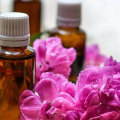
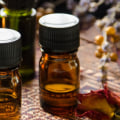
Essential oils are concentrated extracts derived from various parts of plants, including leaves, flowers, stems, and roots. These potent oils capture the natural fragrance and beneficial properties of the plants from which they are sourced. Historically, essential oils have been utilized for thousands of years across different cultures for their therapeutic and aromatic qualities. Ancient civilizations, such as the Egyptians and Greeks, recognized the value of these oils not only for their delightful scents but also for their potential health benefits.
Today, essential oils have gained popularity in modern wellness practices, particularly in aromatherapy, where they are used to enhance physical and emotional well-being.The benefits of essential oils are vast and varied, making them a versatile addition to any health regimen. Many people turn to essential oils for their ability to promote relaxation, alleviate stress, and improve mood. For instance, lavender oil is renowned for its calming effects, while peppermint oil is often used to invigorate the senses and boost energy levels. Beyond emotional support, essential oils can also contribute to physical health; certain oils possess antimicrobial properties that may help in fighting infections or improving skin conditions.In addition to their therapeutic uses, essential oils can be incorporated into daily life in numerous ways.
They can be diffused in the air to create a pleasant atmosphere, added to bathwater for a soothing soak, or mixed with carrier oils for topical application. The versatility of essential oils allows individuals to tailor their use according to personal preferences and specific health needs. As we delve deeper into this comprehensive guide on essential oils, we will explore their myriad applications and the science behind their effectiveness.
Understanding Essential Oils
Essential oils are concentrated extracts derived from various parts of plants, including leaves, flowers, stems, and roots. These oils capture the plant's natural fragrance and beneficial properties, making them popular in aromatherapy and holistic health practices.Understanding how essential oils are made and the different types available can enhance your appreciation for these potent substances.
How Essential Oils Are Made
The process of creating essential oils involves extracting the aromatic compounds from plants. This extraction can be achieved through several methods, each affecting the oil's quality and characteristics.Essential Oil Extraction Methods
- Steam Distillation: This is the most common method for extracting essential oils. In this process, steam is passed through plant material, causing the essential oil to evaporate. The steam is then cooled, condensing back into liquid form, where the oil separates from the water.
- Cold Pressing: Primarily used for citrus fruits, this method involves mechanically pressing the peels to release the essential oils.
It preserves the oil's natural scent and properties without heat.
- Solvent Extraction: This technique uses solvents to dissolve the essential oils from plant materials. While effective, it may leave behind traces of solvents in the final product, which can affect purity.
- CO2 Extraction: Utilizing carbon dioxide under high pressure, this method extracts essential oils without heat or solvents. It produces high-quality oils that retain a broader range of plant compounds.
Types of Essential Oils
There is a vast array of essential oils available, each with unique properties and benefits. Some popular types include:- Lavender: Known for its calming effects, lavender oil is often used to promote relaxation and improve sleep quality.
- Peppermint: This invigorating oil is commonly used to enhance focus and relieve headaches.
- Eucalyptus: Renowned for its respiratory benefits, eucalyptus oil can help clear congestion and support overall respiratory health.
- Tea Tree: With its antimicrobial properties, tea tree oil is frequently used in skincare to combat acne and other skin issues.
Whether you seek relaxation, invigoration, or therapeutic benefits, there is an essential oil suited to your needs.
Health Benefits of Essential Oils
Essential oils are not just fragrant substances; they offer a myriad of health benefits that can enhance your overall well-being. From promoting relaxation to improving skin health, these natural extracts have been utilized for centuries in various cultures. Below, we delve into some of the most significant health benefits associated with essential oils.Stress Relief and Emotional Well-Being
One of the most celebrated benefits of essential oils is their ability to alleviate stress and promote emotional balance. Oils such as lavender, chamomile, and bergamot are particularly effective in reducing anxiety levels.Research has shown that inhaling these oils can lower cortisol levels, the hormone responsible for stress. For instance, a study published in the Journal of Alternative and Complementary Medicine found that participants who inhaled lavender essential oil reported significantly lower levels of anxiety compared to those who did not.
Improved Sleep Quality
In addition to stress relief, essential oils can also enhance sleep quality. Lavender oil, in particular, is renowned for its sedative properties. A study conducted by the American College of Healthcare Sciences revealed that individuals who used lavender essential oil before bedtime experienced improved sleep quality and reduced insomnia symptoms.To harness this benefit, consider adding a few drops of lavender oil to your pillow or using a diffuser in your bedroom.
Skin Health and Care
The benefits of essential oils extend to skincare as well. Oils like tea tree, frankincense, and geranium possess antimicrobial and anti-inflammatory properties that can help treat various skin conditions. For example, tea tree oil is widely recognized for its effectiveness against acne due to its ability to kill bacteria and reduce inflammation. A study published in the Medical Journal of Australia found that tea tree oil was as effective as benzoyl peroxide in treating acne with fewer side effects.Moreover, essential oils can be incorporated into your skincare routine by diluting them with a carrier oil such as jojoba or coconut oil.This not only enhances their absorption but also minimizes the risk of skin irritation.In conclusion, the health benefits of essential oils are vast and varied. Whether you seek stress relief, improved sleep, or enhanced skin health, incorporating these natural extracts into your daily routine can lead to significant improvements in your overall well-being.
Aromatherapy: The Art of Using Essential Oils
Aromatherapy is a holistic healing practice that harnesses the power of essential oils to promote physical, emotional, and mental well-being. By utilizing the natural fragrances and therapeutic properties of these oils, individuals can experience a range of benefits that enhance their quality of life. Understanding various aromatherapy techniques is essential for maximizing the effects of essential oils.One of the most popular methods of using essential oils in aromatherapy is through diffusion.This technique involves dispersing essential oils into the air using a diffuser, which can be ultrasonic, nebulizing, or heat-based. Diffusing essential oils not only fills a room with delightful scents but also allows for the inhalation of their therapeutic properties. For instance, diffusing lavender oil can create a calming atmosphere, making it ideal for relaxation and sleep.
Topical application
is another effective way to use essential oils. However, it is crucial to dilute them with a carrier oil, such as coconut or jojoba oil, before applying them to the skin.
This method allows for targeted relief; for example, applying peppermint oil to sore muscles can provide soothing relief due to its cooling effect. Additionally, incorporating essential oils into massage therapy can enhance relaxation and improve circulation.
Inhalation
is a straightforward yet powerful technique. Simply adding a few drops of essential oil to a cotton ball or tissue and inhaling deeply can provide immediate benefits. This method is particularly useful for addressing respiratory issues or stress relief.
For those seeking a more immersive experience, creating an
aromatherapy bath
by adding essential oils to warm bathwater can transform an ordinary bath into a rejuvenating spa-like experience.The benefits of aromatherapy extend beyond mere fragrance; they include stress reduction, improved mood, enhanced cognitive function, and even pain relief. Research has shown that certain essential oils can help alleviate symptoms of anxiety and depression while promoting relaxation and mental clarity. Furthermore, specific oils like eucalyptus and tea tree are known for their antimicrobial properties, making them beneficial for respiratory health.In conclusion, mastering the art of aromatherapy involves understanding various techniques for using essential oils effectively. Whether through diffusion, topical application, inhalation, or bathing rituals, each method offers unique advantages that contribute to overall well-being.
By integrating these practices into daily life, individuals can unlock the full potential of essential oils and enjoy their myriad benefits.
Top Essential Oils and Their Uses
Essential oils are not only fragrant but also packed with therapeutic properties that can enhance your well-being. Below is a list of some of the most popular essential oils, along with their specific uses and benefits.- Lavender Oil
- Relaxation: Lavender oil is renowned for its calming effects. It can help reduce anxiety and promote better sleep when diffused in the bedroom or applied to pillows.
- Skin Care: This oil is effective in soothing minor burns, insect bites, and skin irritations. Diluting lavender oil with a carrier oil before applying it to the skin can enhance its healing properties.
- Aromatherapy: Inhaling lavender oil can alleviate headaches and migraines, making it a go-to for those seeking natural relief.
- Tea Tree Oil
- Antimicrobial Properties: Known for its powerful antibacterial and antifungal properties, tea tree oil is often used to treat acne and other skin conditions.
Applying diluted tea tree oil directly to blemishes can help reduce inflammation and promote healing.
- Respiratory Health: Inhaling tea tree oil can help clear nasal passages and alleviate symptoms of colds or allergies. Adding a few drops to a diffuser or steam inhalation can provide relief.
- Household Cleaner: Due to its disinfectant qualities, tea tree oil can be added to homemade cleaning solutions for a natural way to sanitize surfaces.
- Antimicrobial Properties: Known for its powerful antibacterial and antifungal properties, tea tree oil is often used to treat acne and other skin conditions.
- Peppermint Oil
- Energy Booster: The invigorating scent of peppermint oil can help increase alertness and concentration. Diffusing it in your workspace may enhance productivity.
- Digestive Aid: Peppermint oil is known to relieve digestive issues such as bloating and gas. A few drops diluted in a carrier oil can be massaged onto the abdomen for relief.
- Eucalyptus Oil
- Respiratory Relief: Eucalyptus oil is commonly used in steam inhalation to relieve congestion and sinus pressure.
Its menthol-like aroma helps open airways.
- Pain Relief: When diluted with a carrier oil, eucalyptus oil can be applied topically to sore muscles and joints for its analgesic effects.
- Respiratory Relief: Eucalyptus oil is commonly used in steam inhalation to relieve congestion and sinus pressure.
Safety and Precautions When Using Essential Oils
When it comes to using essential oils, safety should always be a top priority. While these natural extracts offer numerous benefits, improper use can lead to adverse effects. Understanding how to use them safely is crucial for maximizing their positive impact on your health and well-being.Essential Oil Safety Tips
To ensure a safe experience with essential oils, consider the following tips:- Choose Quality Products: Always opt for high-quality, pure essential oils from reputable sources.
Look for labels that specify "100% pure essential oil" to avoid synthetic additives.
- Patch Test: Before applying any essential oil to your skin, conduct a patch test. Dilute a small amount of the oil with a carrier oil and apply it to a small area of skin. Wait 24 hours to check for any adverse reactions.
- Avoid Sensitive Areas: Keep essential oils away from sensitive areas such as the eyes, inner ears, and mucous membranes. If contact occurs, rinse thoroughly with a carrier oil or water.
- Consult Professionals: If you are pregnant, nursing, or have underlying health conditions, consult with a healthcare professional or an aromatherapist before using essential oils.
How to Dilute Essential Oils
Proper dilution is key to safely using essential oils on the skin.Here’s how to do it:
- Choose a Carrier Oil: Common carrier oils include coconut oil, jojoba oil, and sweet almond oil. These oils help dilute the potency of essential oils while providing additional skin benefits.
- Dilution Ratios: A general guideline is to dilute essential oils at a ratio of 1-2 drops of essential oil per teaspoon (5 ml) of carrier oil for adults. For children or those with sensitive skin, use 1 drop per teaspoon.
- Mix Thoroughly: Ensure that the essential oil is well mixed with the carrier oil before application. This helps prevent skin irritation and ensures even distribution.
Potential Side Effects of Essential Oils
While many people enjoy the benefits of essential oils, it’s important to be aware of potential side effects:- Skin Irritation: Some individuals may experience redness, itching, or burning sensations when using certain essential oils.
This is often due to undiluted application or sensitivity to specific compounds.
- Allergic Reactions: Allergies can occur with any substance, including essential oils. Symptoms may include rash, swelling, or difficulty breathing. If you suspect an allergic reaction, discontinue use immediately and seek medical attention.
- Photosensitivity: Certain oils, particularly citrus-based ones like bergamot and lemon, can increase your skin's sensitivity to sunlight. Avoid sun exposure after applying these oils topically.
Always prioritize safety in your aromatherapy practices for a positive experience.
Frequently Asked Questions About Essential Oils
Essential oils have gained immense popularity, leading to numerous questions about their use, safety, and storage. Below are some of the most frequently asked questions regarding essential oils.Can You Ingest Essential Oils?
The question of whether essential oils can be ingested is a common one. While some essential oils are safe for internal use, it is crucial to approach this with caution. Not all essential oils are created equal , and many are not intended for ingestion.For example, oils like peppermint and lemon may be safe in small amounts when diluted properly, but others can be toxic if consumed.Before considering ingestion, consult with a healthcare professional or a certified aromatherapist. They can provide guidance on which oils are safe and how to use them appropriately. Always ensure that the essential oil is labeled as food grade if you plan to ingest it.
How to Store Essential Oils
Proper storage of essential oils is vital to maintain their potency and effectiveness. Here are some tips for storing your essential oils:- Keep them in dark glass bottles: Essential oils should be stored in dark amber or cobalt blue glass bottles to protect them from light, which can degrade their quality.
- Avoid heat and humidity: Store your essential oils in a cool, dry place away from direct sunlight and heat sources.
A cabinet or drawer is ideal.
- Seal tightly: Ensure that the bottles are tightly sealed after each use to prevent oxidation and evaporation.
- Label your bottles: Clearly label each bottle with the name of the oil and the date of purchase. This helps you keep track of freshness.
Conclusion: Embracing the Benefits of Essential Oils
In conclusion, the world of essential oils offers a myriad of benefits that can enhance both physical and emotional well-being. Throughout this guide, we have explored various aspects of essential oils, from their historical significance to their practical applications in daily life. By understanding how to use these potent natural extracts safely and effectively, you can unlock their full potential.One of the most compelling advantages of essential oils is their versatility.Whether you are looking to alleviate stress, improve your skin health, or create a calming atmosphere in your home, there is an essential oil tailored to meet your needs. For instance, oils like lavender and chamomile are renowned for their relaxing properties, while citrus oils such as lemon and orange can invigorate and uplift your mood.Moreover, the therapeutic effects of essential oils extend beyond mere fragrance. Scientific studies have begun to validate many traditional uses of these oils, revealing their potential in areas such as pain relief, immune support, and even antimicrobial properties. However, it is crucial to approach the use of essential oils with caution.
Always ensure that you are using pure, high-quality oils and follow recommended dilution guidelines to avoid adverse reactions.As you embark on your journey with essential oils, consider starting with a few key oils that resonate with your personal wellness goals. Experiment with different methods of application—be it through diffusion, topical use, or inhalation—to discover what works best for you. Remember that the experience with essential oils is highly individual; what brings relaxation to one person may not have the same effect on another.Ultimately, embracing the benefits of essential oils means integrating them into your lifestyle mindfully and responsibly. As you explore this aromatic world, keep an open mind and be patient with yourself as you learn about the various properties and uses of each oil.
With time and practice, you will find that essential oils can be a valuable addition to your health and wellness toolkit.In summary, the journey into the realm of essential oils is not just about enhancing your environment or improving your health; it is about fostering a deeper connection with nature and yourself. So take a deep breath, inhale the soothing scents around you, and let the transformative power of essential oils guide you toward a more balanced and harmonious life.