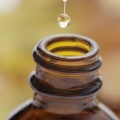
Essential oils are concentrated plant extracts that capture the natural fragrance and beneficial properties of various botanicals. These oils are derived from different parts of plants, including leaves, flowers, stems, and roots, through processes such as steam distillation or cold pressing. The result is a potent liquid that embodies the essence of the plant, often used for a variety of purposes ranging from aromatherapy to personal care products. Their aromatic qualities can evoke emotions, enhance mood, and promote relaxation, making them popular in wellness practices.The uses of essential oils are diverse and can be categorized into several key areas.
In aromatherapy, essential oils are inhaled or diffused to create a calming atmosphere or to invigorate the senses. Many people use them in massage therapy to enhance relaxation and relieve muscle tension. Additionally, essential oils are often incorporated into skincare routines for their potential benefits, such as moisturizing properties or their ability to combat skin issues. Beyond personal use, some essential oils are utilized in household cleaning products due to their antibacterial and antifungal properties.However, when it comes to using essential oils around pets, particularly cats, caution is paramount.
Cats possess a unique physiology that makes them particularly sensitive to many substances that are safe for humans and even other animals. While some pet owners may be drawn to the idea of using essential oils for their pets—whether for calming effects or as natural insect repellents—it's crucial to understand that not all essential oils are safe for feline companions. In fact, many common essential oils can be toxic to cats, leading to serious health issues.As we delve deeper into the topic of essential oils and their safety for cats, it is vital for pet owners to be informed about which oils may pose risks and how to approach their use responsibly. Understanding the nature of these potent extracts will help ensure that both you and your furry friend can enjoy a safe and harmonious environment.
The Unique Physiology of Cats
Understanding the unique physiology of cats is crucial for pet owners, especially when considering the use of essential oils.Unlike many other animals, cats possess distinct metabolic pathways that significantly affect how they process various substances, including essential oils.One of the primary factors contributing to a cat's sensitivity to essential oils is their liver function. Cats have a unique liver structure that is less efficient at metabolizing certain compounds found in essential oils. This inefficiency can lead to a buildup of toxic substances in their system, resulting in severe health issues.Additionally, cats lack certain enzymes that are present in other mammals, which are responsible for breaking down phenolic compounds commonly found in many essential oils. This deficiency means that even small amounts of these oils can lead to toxicity. Unlike many other animals, cats possess distinct metabolic pathways that significantly affect how they process various substances, including essential oils.One of the primary factors contributing to a cat's sensitivity to essential oils is their liver function. Cats have a unique liver structure that is less efficient at metabolizing certain compounds found in essential oils. This inefficiency can lead to a buildup of toxic substances in their system, resulting in severe health issues.Additionally, cats lack certain enzymes that are present in other mammals, which are responsible for breaking down phenolic compounds commonly found in many essential oils. This deficiency means that even small amounts of these oils can lead to toxicity.
For instance, while dogs may tolerate some essential oils without adverse effects, the same cannot be said for cats.Moreover, the respiratory system of cats is also more sensitive than that of dogs or humans. Cats have a higher respiratory rate and a more delicate lung structure, making them more susceptible to respiratory irritants. When essential oils are diffused into the air, the tiny droplets can be inhaled and cause irritation or inflammation in their airways.Furthermore, cats are known for their acute sense of smell, which is significantly more developed than that of humans. This heightened olfactory sensitivity means that even faint scents can be overwhelming or distressing for them.
As a result, exposure to essential oils—even in small amounts—can lead to behavioral changes or physical symptoms such as drooling, vomiting, or lethargy.In summary, the unique physiological traits of cats—including their liver function, metabolic pathways, and respiratory sensitivity—make them particularly vulnerable to the potential dangers posed by essential oils. Pet owners must be vigilant and informed about these risks to ensure the safety and well-being of their feline companions.
Essential Oils and Their Toxicity to Cats
Understanding the potential dangers of essential oils is crucial for cat owners. Many essential oils contain compounds that can be harmful or even fatal to cats. The unique physiology of felines makes them particularly susceptible to the toxic effects of these oils, which can lead to serious health issues.Toxic Essential Oils for Cats
- Tea Tree Oil: Known for its antibacterial properties, tea tree oil is highly toxic to cats.
Even small amounts can lead to severe symptoms.
- Peppermint Oil: While refreshing for humans, peppermint oil can cause gastrointestinal upset and respiratory distress in cats.
- Citrus Oils: Oils derived from citrus fruits, such as lemon and orange, are particularly dangerous. They can lead to vomiting, diarrhea, and even central nervous system depression.
- Eucalyptus Oil: Often used for its soothing properties, eucalyptus oil can cause significant respiratory issues in cats.
- Lavender Oil: Although sometimes considered safe in small amounts, lavender oil can still pose risks and should be used with caution.
- Thyme Oil: This oil can lead to gastrointestinal irritation and other serious health problems in felines.
Symptoms of Essential Oil Poisoning
If a cat is exposed to toxic essential oils, the symptoms may vary depending on the type of oil and the level of exposure. Common signs of essential oil poisoning include:
- Drooling: Excessive salivation can indicate distress or toxicity.
- Vomiting: This is a common reaction as the body attempts to rid itself of the toxin.
- Tremors: Muscle tremors or seizures may occur in severe cases.
- Ataxia: Cats may exhibit uncoordinated movements or staggering.
- Respiratory Distress: Difficulty breathing or coughing can indicate serious complications.
- Liver Damage: Symptoms such as jaundice (yellowing of the skin and eyes) may arise from liver failure due to toxicity.
Safe Practices for Using Essential Oils Around Cats
When it comes to using essential oils in a home with cats, safety should always be the top priority.While some essential oils may be deemed safe for use around pets, it is crucial to follow specific guidelines to minimize any potential risks. Here are some best practices for safely incorporating essential oils into your environment while ensuring the well-being of your feline friends.
Choose Pet-Friendly Essential Oils
While many essential oils can be harmful to cats, there are a few that are considered safer options when used correctly. Some of these include:- Lavender: Known for its calming properties, lavender can help reduce anxiety in both humans and pets.
- Copaiba: This oil is often used for its anti-inflammatory benefits and is generally regarded as safe for cats.
- Helichrysum: With its healing properties, helichrysum can be beneficial for minor skin irritations.
- Frankincense: Often used for its grounding effects, frankincense can promote relaxation.
Avoid Direct Application
Never apply essential oils directly to your cat's skin or fur. Cats groom themselves frequently, and any oil on their coat can be ingested, leading to potential toxicity.Instead, consider using a diffuser in a well-ventilated area where your cat does not spend most of their time. This allows the aroma to disperse without overwhelming your pet.
Monitor Your Cat's Behavior
When introducing any new scent into your home, observe your cat's reaction closely. Signs of distress may include:- Coughing or sneezing
- Excessive drooling
- Vomiting
- Lethargy or unusual behavior
Consult with a Veterinarian
Before using any essential oils around your cat, it is wise to consult with a veterinarian who is knowledgeable about aromatherapy and its effects on pets. They can provide personalized advice based on your cat's health history and specific needs.By following these guidelines and being mindful of your cat's sensitivities, you can enjoy the benefits of essential oils while keeping your furry companion safe and healthy.Consulting with Professionals: Veterinarians and Aromatherapists
When considering the use of essential oils around your feline friend, it is crucial to seek guidance from qualified professionals.Consulting with veterinarians, particularly those who specialize in holistic practices, can provide invaluable insights into the safety and efficacy of essential oils for your cat.
Veterinarian Advice on Essential Oils
Veterinarians are trained to understand the unique physiology of cats and how various substances, including essential oils, can affect their health. Regular veterinarians may express caution regarding the use of essential oils due to the potential risks involved. They can help you assess your cat's health status and any pre-existing conditions that may make them more susceptible to adverse reactions.It is advisable to discuss any plans to use essential oils with your veterinarian before introducing them into your home environment. They can provide tailored advice based on your cat's specific needs and may recommend alternatives that are safer for your pet.
The Role of Holistic Veterinarians
Holistic veterinarians take a more integrative approach to pet care, often incorporating natural remedies alongside conventional treatments.
These professionals may have a deeper understanding of aromatherapy and its potential benefits for pets. They can guide you on which essential oils might be less harmful and how to use them safely if you choose to proceed.Holistic veterinarians often emphasize the importance of using only high-quality, therapeutic-grade essential oils. They can also help you understand the proper dilution ratios and application methods that minimize risk while maximizing potential benefits.
Pet Aromatherapy Consultation
In addition to consulting with veterinarians, seeking advice from certified pet aromatherapists can be beneficial. These professionals specialize in the safe use of essential oils for animals and can offer personalized recommendations based on your cat's health and behavioral needs.Aromatherapists can provide insights into which essential oils may promote relaxation or alleviate stress in cats, as well as how to create a safe environment for their use.
They can also educate you on signs of adverse reactions, ensuring that you remain vigilant while using these products.In summary, before introducing essential oils into your home, it is imperative to consult with both veterinarians and aromatherapy professionals. Their expertise will help ensure that you make informed decisions that prioritize the health and safety of your beloved feline companion.
Common Myths About Essential Oils and Cats
When it comes to the safety of essential oils around cats, numerous myths and misconceptions abound. These misunderstandings can lead to dangerous situations for our feline friends. Here, we will debunk some of the most common myths regarding essential oils and their effects on cats.- Myth 1: All Essential Oils Are Safe for Cats
Many pet owners believe that certain essential oils are harmless for their cats.However, this is a dangerous misconception. Research indicates that all essential oils can pose risks to cats due to their unique metabolic systems. Even oils considered safe for humans can be toxic to felines.
- Myth 2: Essential Oils Can Be Used Topically on Cats
Some people think that applying diluted essential oils directly to a cat's skin is safe. In reality, cats have sensitive skin and a different physiology than humans, making them more susceptible to adverse reactions.Topical application can lead to skin irritation or systemic toxicity.
- Myth 3: Diffusing Essential Oils Is Safe
While diffusing essential oils may seem like a harmless way to enjoy their benefits, it can be harmful to cats. The inhalation of essential oil particles can irritate a cat's respiratory system, leading to breathing difficulties or other health issues. - Myth 4: Natural Means Safe
Just because something is natural does not mean it is safe. Many plants and their extracts, including essential oils, contain compounds that can be toxic to pets. It’s crucial to remember that natural does not equate to safe when it comes to our furry companions. - Myth 5: Cats Can Tolerate Essential Oils Like Dogs
Cats are not small dogs; they metabolize substances differently.What may be tolerable for dogs can be lethal for cats. This significant difference in physiology means that pet owners should never assume that products safe for dogs are also safe for cats.
Alternatives to Essential Oils for Cat Owners
For cat owners seeking to create a pleasant atmosphere in their homes without the risks associated with essential oils, there are several natural alternatives that can provide safe and enjoyable scents. These options not only enhance your living space but also ensure the well-being of your feline friends.1.Herbal Sachets
One of the simplest ways to introduce natural fragrances into your home is through herbal sachets.You can create these by filling small fabric bags with dried herbs that are safe for cats. Some excellent choices include:
- Catnip: Known for its stimulating effects on many cats, catnip can also impart a fresh, green scent.
- Lavender: While essential oils of lavender may be harmful, dried lavender flowers can provide a calming aroma without the associated risks.
- Rosemary: This herb offers a pleasant scent and is generally safe for cats when used in dried form.
2.Natural Beeswax Candles
If you enjoy the ambiance of candles, consider using natural beeswax candles. Unlike traditional scented candles that may contain harmful chemicals or synthetic fragrances, beeswax candles burn cleanly and emit a subtle honey-like scent. They also help purify the air by releasing negative ions, which can be beneficial for both you and your pets.3.Air Purifying Plants
Certain houseplants not only beautify your space but also provide natural scents and improve air quality.Some cat-safe plants include:
- Bamboo Palm: This plant has a light, fresh scent and is known for its air-purifying properties.
- Ponytail Palm: With its unique appearance and minimal care requirements, this plant adds a touch of greenery without posing any risk to your cat.
- Spider Plant: Not only is it safe for cats, but it also helps remove toxins from the air while providing a subtle earthy aroma.
4.Simmering Potpourri
A simple way to fill your home with delightful scents is by making simmering potpourri. Combine water with safe ingredients such as:- Cinnamon sticks
- Slices of citrus fruits (like oranges or lemons)
- Fresh herbs (like mint or basil)
Frequently Asked Questions About Essential Oils and Cats
As a pet owner, it’s natural to have questions about the safety of essential oils around your feline friends. Here are some frequently asked questions that can help clarify the concerns surrounding essential oils and cats.1.Are all essential oils toxic to cats?
While many essential oils can be harmful to cats, not all of them are equally toxic.However, it is crucial to understand that cats are particularly sensitive to essential oils due to their unique metabolic processes. Even small amounts of certain oils can lead to serious health issues. Therefore, it is generally advised to avoid using any essential oils around cats.
2.What symptoms should I watch for if my cat is exposed to essential oils?
If your cat has been exposed to essential oils, monitor for symptoms such as:- Drooling
- Vomiting
- Tremors or shaking
- Difficulty breathing
- Low heart rate
- Lethargy or weakness
- Seizures
3.Can I use essential oils in a diffuser if I have a cat?
Using a diffuser in a home with cats is generally not recommended. The diffusion process can release tiny droplets of essential oil into the air, which can be inhaled by your cat and lead to respiratory irritation or other health issues.If you must use a diffuser, ensure that the area is well-ventilated and that your cat has a safe space away from the scent.
4.Are there any essential oils that are considered safe for cats?
While most essential oils pose risks, some holistic veterinarians suggest that certain oils like lavender, copaiba, helichrysum, and frankincense may be used cautiously around cats. However, it’s vital to consult with a veterinarian before introducing any new substances into your home environment.5.What should I do if my cat ingests essential oil?
If you suspect that your cat has ingested essential oil, do not wait for symptoms to appear. Contact your veterinarian or an emergency animal poison control hotline immediately for guidance on the next steps.Understanding the potential risks associated with essential oils is crucial for ensuring the safety and well-being of your feline companions. Always prioritize their health by consulting with professionals before using any aromatic products in your home.Conclusion: Key Takeaways on Essential Oils and Cat Safety
In summary, the use of essential oils around cats is a topic that requires careful consideration and understanding.While many pet owners are drawn to the aromatic and therapeutic benefits of essential oils, it is crucial to recognize that these substances can pose significant health risks to our feline companions.
Key Takeaways:
- Essential Oils Can Be Toxic: Research indicates that all essential oils have the potential to be toxic to cats. This toxicity can manifest in various forms, including liver damage, respiratory issues, and neurological problems.
- Unique Cat Physiology: Cats metabolize substances differently than humans and even dogs. Their livers are particularly sensitive to certain compounds found in essential oils, making them more vulnerable to adverse effects.
- Avoid Direct Exposure: It is advisable to avoid applying essential oils directly to your cat's skin or fur, as well as using diffusers that disperse oil particles into the air. Inhalation of these particles can lead to respiratory distress.
- Consult Your Veterinarian: Before introducing any essential oil products into your home, it is essential to consult with a veterinarian.
They can provide guidance tailored to your cat's specific health needs and conditions.
- Safe Alternatives Exist: While most essential oils are unsafe for cats, some may be considered safer when used correctly. Oils like lavender and copaiba have been noted for their potential benefits, but they should still be used with caution and under professional guidance.
- Monitor for Symptoms: If you suspect your cat has been exposed to essential oils, watch for symptoms such as drooling, vomiting, or difficulty breathing. Immediate veterinary attention may be necessary in such cases.