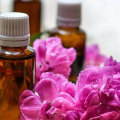
Essential oils are concentrated extracts derived from various parts of plants, including leaves, flowers, stems, and roots. These oils capture the plant's natural fragrance and beneficial properties, making them popular in aromatherapy, personal care products, and holistic health practices. The process of extracting essential oils typically involves methods such as steam distillation or cold pressing, which preserve the plant's unique chemical composition. As a result, essential oils are often touted for their potential therapeutic benefits, ranging from stress relief to improved skin health, much like the benefits derived from various medicinal plants.Many individuals turn to Essential oils are concentrated extracts derived from various parts of plants, including leaves, flowers, stems, and roots. These oils capture the plant's natural fragrance and beneficial properties, making them popular in aromatherapy, personal care products, and holistic health practices. The process of extracting essential oils typically involves methods such as steam distillation or cold pressing, which preserve the plant's unique chemical composition. As a result, essential oils are often touted for their potential therapeutic benefits, ranging from stress relief to improved skin health, much like the benefits derived from various medicinal plants.Many individuals turn to essential oils for their purported health benefits.
For instance, lavender oil is commonly used for its calming effects, while peppermint oil is known for its invigorating properties that can help alleviate headaches and digestive issues. Additionally, essential oils like tea tree and eucalyptus are celebrated for their antimicrobial qualities, making them popular choices in natural cleaning products and skincare routines. The versatility of these oils allows them to be incorporated into various aspects of daily life, from diffusing them in the air to adding them to bathwater or using them in massage therapy.However, despite their many advantages, it is crucial to approach the use of essential oils with caution. While they can offer significant benefits when used appropriately, there are also risks associated with their misuse.
Some essential oils can cause skin irritation or allergic reactions if applied undiluted or in excessive amounts. Furthermore, certain oils may be toxic if ingested or used improperly around pets and children. Understanding both the potential benefits and risks of essential oils is essential for anyone considering their use in wellness practices.
The Science Behind Essential Oils
Essential oils are complex mixtures of volatile compounds derived from various parts of plants, including leaves, flowers, stems, and roots. These oils are known for their aromatic properties and potential therapeutic benefits, but understanding their chemical composition is crucial to appreciating both their efficacy and safety.Chemical Composition of Essential Oils
The chemical makeup of essential oils varies significantly depending on the plant species, the part of the plant used, and the extraction method employed.
Generally, essential oils contain a variety of compounds such as terpenes, esters, aldehydes, ketones, alcohols, and phenols. Each of these components contributes to the oil's unique scent and therapeutic properties.
- Terpenes: These are the primary constituents in many essential oils and are responsible for their characteristic aromas. They also possess anti-inflammatory and antimicrobial properties.
- Esters: Known for their pleasant fragrances, esters can have calming effects and are often used in aromatherapy.
- Aldehydes: These compounds can be potent and may cause skin irritation if not used properly. However, they also have potential therapeutic benefits.
- Alcohols: Many essential oils contain alcohols that can act as antiseptics and have soothing properties.
- Phenols: These compounds are known for their strong antimicrobial properties but can be irritating to the skin in high concentrations.
Essential Oil Extraction Methods
The extraction method used to obtain essential oils plays a significant role in determining their quality and potency.
Common methods include:
- Steam Distillation: This is the most widely used method where steam is passed through plant material to vaporize the volatile compounds. The steam is then cooled to condense back into liquid form, separating the essential oil from water.
- Cold Press Extraction: Primarily used for citrus oils, this method involves mechanically pressing the plant material to release the oil without heat.
- SOLVENT EXTRACTION: In this method, solvents are used to dissolve the essential oil from plant material. The solvent is then evaporated, leaving behind a concentrated oil. This method is often used for delicate flowers that cannot withstand heat.
- CO2 Extraction: This advanced technique uses carbon dioxide under high pressure to extract essential oils.
It preserves more of the plant's original aroma and therapeutic properties compared to other methods.
Potential Health Benefits of Essential Oils
Essential oils have gained popularity not only for their aromatic properties but also for their potential health benefits. When used appropriately, these concentrated plant extracts can offer various therapeutic effects that may enhance overall well-being.Essential Oils for Anxiety
One of the most researched areas regarding the health benefits of essential oils is their ability to alleviate anxiety. Oils such as lavender , chamomile , and bergamot have been shown to possess calming properties.A study published in the Journal of Alternative and Complementary Medicine found that inhaling lavender oil significantly reduced anxiety levels in participants undergoing surgery. Similarly, chamomile oil has been linked to improved sleep quality, which can further help in managing anxiety symptoms.
Essential Oils for Pain Relief
Pain management is another area where essential oils can be beneficial. Oils like peppermint , eucalyptus , and ginger are often used for their analgesic properties. For instance, peppermint oil contains menthol, which can provide a cooling sensation and help relieve headaches and muscle pain when applied topically.Eucalyptus oil is known for its anti-inflammatory effects, making it a popular choice for soothing joint pain and respiratory issues.
Anti-Inflammatory Properties
Many essential oils also exhibit anti-inflammatory properties that can aid in reducing inflammation-related conditions. Helichrysum oil, for example, has been studied for its ability to promote healing and reduce inflammation in the body. Its application may be particularly beneficial for those suffering from chronic inflammatory conditions.Using Essential Oils Safely
While the potential health benefits of essential oils are promising, it is crucial to use them safely. Always dilute essential oils with a carrier oil before applying them to the skin, and consider consulting with a healthcare professional if you are pregnant, nursing, or have underlying health conditions.Additionally, using a diffuser can be an effective way to enjoy the benefits of essential oils without direct skin contact.In summary, essential oils can offer various health benefits, particularly in managing anxiety and pain relief. However, it is essential to approach their use with caution and awareness of potential risks to maximize their therapeutic effects.
Risks and Dangers of Using Essential Oils
While essential oils are often praised for their therapeutic properties, it is crucial to recognize that they can pose significant risks when not used correctly. Understanding the potential dangers associated with essential oils is essential for ensuring safety, especially for vulnerable populations such as children and pets.Adverse Reactions
Essential oils can trigger a variety of adverse reactions, particularly when applied directly to the skin without proper dilution. Common side effects include:
- Skin Irritation: Many essential oils can cause redness, itching, or burning sensations when applied topically.
Oils like cinnamon and oregano are particularly known for their potential to irritate sensitive skin.
- Allergic Reactions: Some individuals may experience allergic reactions ranging from mild rashes to severe anaphylaxis. It is advisable to conduct a patch test before using a new oil extensively.
- Respiratory Issues: Inhalation of certain essential oils can lead to respiratory distress, especially in individuals with asthma or other pre-existing conditions. Oils such as eucalyptus and peppermint may exacerbate these issues.
Toxicity Concerns
The toxicity of essential oils is another critical factor to consider. Ingesting even small amounts of certain oils can lead to serious health complications.
For instance:
- Peppermint Oil: While often used for digestive issues, ingesting large quantities can result in nausea, vomiting, and even liver damage.
- Anise Oil: This oil can be particularly dangerous; excessive consumption may lead to severe neurological symptoms and circulatory problems.
Vulnerable Populations
Certain groups are at a higher risk of experiencing adverse effects from essential oils:
- Children: Due to their smaller body size and developing systems, children are more susceptible to the toxic effects of essential oils. Oils like tea tree and eucalyptus should be avoided in young children.
- Pets: Many essential oils are toxic to animals. Cats, in particular, lack the enzymes necessary to metabolize certain compounds found in oils like lavender and citrus, leading to severe health issues such as liver failure or respiratory distress.
Using Essential Oils Safely: Guidelines and Best Practices
Using essential oils safely is crucial to maximizing their benefits while minimizing potential risks.Here are some essential guidelines and best practices to follow:
Dilution Guidelines for Essential Oils
Essential oils are highly concentrated substances, and using them undiluted can lead to skin irritation or other adverse reactions. Dilution is key to safe application. Here are some general dilution guidelines:- For Adults: A common dilution ratio is 2-3 drops of essential oil per teaspoon (5 ml) of carrier oil, such as coconut or jojoba oil.
- For Children: Use a more diluted mixture, typically 1 drop of essential oil per teaspoon (5 ml) of carrier oil.
- For Infants: It is advisable to avoid using essential oils on infants under 2 years old. If necessary, consult a healthcare professional for guidance.
Safe Application Methods for Essential Oils
There are various methods to apply essential oils safely:- Topical Application: Always dilute essential oils before applying them to the skin.
Perform a patch test by applying a small amount of the diluted oil on a discreet area of skin to check for any allergic reactions.
- Aromatherapy Diffusion: Using a diffuser is an effective way to enjoy the benefits of essential oils without direct skin contact. Follow the manufacturer's instructions for the appropriate number of drops to use in your diffuser.
- Inhalation: You can inhale essential oils directly from the bottle or by adding a few drops to a tissue or cotton ball. This method allows for quick absorption without the need for dilution.
By adhering to proper dilution guidelines and application methods, you can enjoy their therapeutic properties safely and effectively.
Essential Oils During Pregnancy: What to Avoid and What’s Safe
Pregnancy is a time of significant change, and many expectant mothers seek natural remedies to alleviate discomforts such as nausea, anxiety, and fatigue.Essential oils
have gained popularity in this context, but it is crucial to approach their use with caution. Understanding which oils are safe and which should be avoided can help protect both the mother and the developing baby.Essential Oils Considered Safe During Pregnancy
- Lavender: Known for its calming properties, lavender essential oil can help reduce anxiety and promote relaxation.
- Mandarin: This gentle oil is often used to alleviate nausea and can be uplifting during pregnancy.
- Ginger: Ginger essential oil is effective for combating morning sickness and can help soothe digestive issues.
- Frankincense: Often used for its grounding effects, frankincense may help with emotional balance.
- Rose: Rose essential oil is known for its ability to enhance mood and reduce stress levels.
Essential Oils to Avoid During Pregnancy
- Peppermint: While it can be invigorating, peppermint may lead to increased heartburn or digestive issues in some pregnant women.
- Sage: This oil can stimulate menstruation and should be avoided as it may pose risks during pregnancy.
- Cinnamon: Cinnamon essential oil can be irritating to the skin and may cause contractions if used excessively.
- Clary Sage: Known for its potential to induce labor, clary sage should be avoided until after delivery.
- Wintergreen: This oil contains compounds that can be harmful in high concentrations and should be avoided altogether during pregnancy.
Aromatherapy Considerations
Aromatherapy can provide relief from various pregnancy-related symptoms when done safely.
It is essential to consult with a healthcare provider before starting any new treatment. Pregnant women should also consider their individual sensitivities and allergies when selecting essential oils. Always perform a patch test before applying any diluted oil to the skin.In conclusion, while essential oils can offer benefits during pregnancy, it is vital to choose wisely. By focusing on safe options and avoiding potentially harmful oils, expectant mothers can enjoy the advantages of aromatherapy while ensuring their health and that of their baby.
Frequently Asked Questions About Essential Oils
Essential oils have gained immense popularity in recent years, leading to a surge in questions and misconceptions surrounding their use.Below are some of the most frequently asked questions about essential oils, along with clear and concise answers to help clarify any doubts.
What are essential oils?
Essential oils are concentrated extracts derived from various parts of plants, including leaves, flowers, stems, and roots. They capture the plant's natural fragrance and beneficial properties, making them popular for aromatherapy, personal care products, and even household cleaning solutions.Can you ingest essential oils?
While some essential oils are marketed for internal use, it is crucial to approach this practice with caution. Ingesting essential oils can be dangerous and may lead to serious health issues, including poisoning. Only a few essential oils are considered safe for consumption, and even then, they should only be ingested under the guidance of a qualified healthcare professional.Always consult with a doctor or a certified aromatherapist before considering internal use.
Are essential oils safe for pets?
Many pet owners wonder if essential oils can be safely used around their furry friends. Unfortunately, some essential oils can be toxic to pets , particularly cats and dogs. For instance, oils like tea tree, eucalyptus, and citrus can cause adverse reactions ranging from mild gastrointestinal upset to severe liver damage. It is best to consult with a veterinarian before using any essential oil in a pet-friendly environment.What are common myths about essential oils?
- Myth 1: All essential oils are safe for everyone.
- Myth 2: Essential oils can cure diseases.
- Myth 3: More expensive essential oils are always better quality.
It is important to research and understand the specific properties and potential risks associated with each oil.
How should I store essential oils?
To maintain their potency and effectiveness, essential oils should be stored in a cool, dark place away from direct sunlight. Ensure that the bottles are tightly sealed to prevent oxidation and contamination. Additionally, check expiration dates regularly as some oils may lose their efficacy over time.By addressing these common questions and misconceptions about essential oils, we hope to provide clarity and promote safe practices for their use.Conclusion: Weighing the Risks and Benefits of Essential Oils
In conclusion, the discussion surrounding essential oils is multifaceted, encompassing both potential benefits and significant risks. As we have explored, these natural extracts can offer therapeutic advantages when used appropriately, such as alleviating stress, enhancing mood, and providing relief from various ailments.However, it is crucial to approach their use with caution and informed understanding.One of the primary takeaways is the importance of dosage and application. Essential oils are highly concentrated substances that can lead to adverse effects if misused. For instance, while some oils may promote relaxation and well-being, others can cause skin irritation or even systemic toxicity if ingested or applied in excessive amounts. This highlights the necessity of adhering to recommended guidelines and consulting with professionals who are knowledgeable about aromatherapy.Moreover, the lack of regulation in the essential oil industry raises concerns about product quality and safety.
Consumers must be vigilant in selecting reputable brands that provide transparency regarding their sourcing and testing practices. Understanding the specific properties of each oil, including potential allergens and contraindications, is essential for safe usage.Additionally, special populations such as pregnant women, children, and pets require extra caution. Certain essential oils can pose risks to these groups, making it imperative to seek expert advice before use. For example, while some oils may be safe for diffusion during pregnancy, others could lead to complications.Ultimately, the decision to incorporate essential oils into your wellness routine should be made with careful consideration of both their potential benefits and risks.
By educating yourself and seeking guidance from qualified practitioners, you can harness the positive aspects of essential oils while minimizing the likelihood of adverse effects.In summary, essential oils can be a valuable addition to holistic health practices when used responsibly. Balancing their therapeutic properties with an awareness of their risks will empower individuals to make informed choices that enhance their well-being.